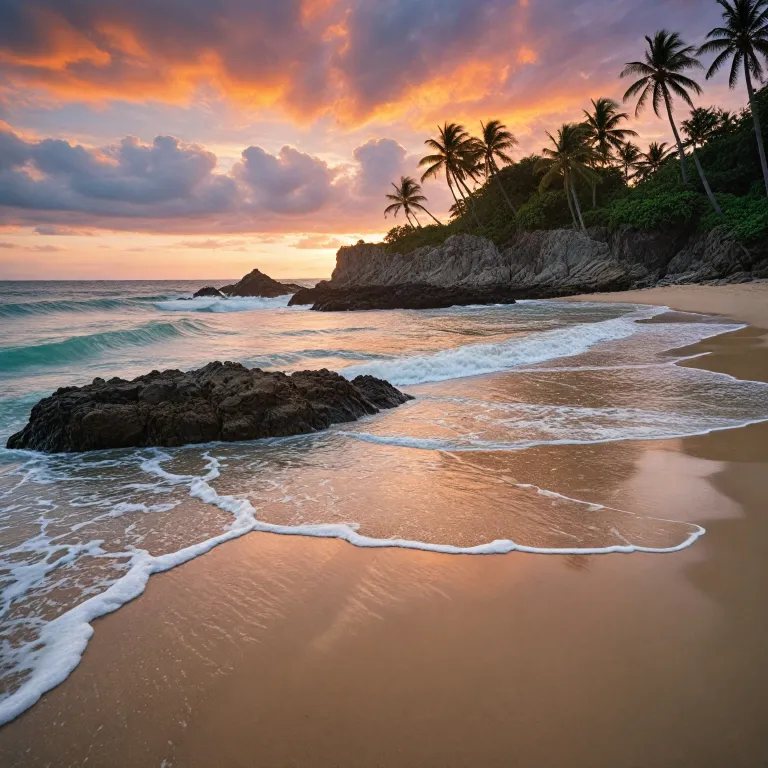
Remote character of the beaches in Oaxaca coast
The beaches in Oaxaca stretch along a rugged Pacific coast where mountains meet the sea. This oaxacan coast remains relatively undeveloped, so each beach and every playa feels distinct, with its own rhythm, currents, and community. Travelers who seek an oaxaca beach far from mass tourism will find an area that rewards patience and curiosity.
Many visitors start in puerto Escondido, then slowly move along the beaches in Oaxaca to smaller beach towns. The contrast between the energy of playa Zicatela and the calm of playa Carrizalillo shows how varied the oaxaca beaches can be in a short distance. You will quickly understand why locals speak of the best beaches not only in terms of scenery but also mood, light, and daily life on the oaxaca coast.
Further east, the beaches oaxaca offers around Mazunte, san Agustinillo, and Zipolite feel intimate yet open to the ocean. Each playa has its own profile, from family friendly coves to free spirited stretches of sand where clothing is optional. Along this coast, you will find small guesthouses, simple restaurants, and a pace that encourages long walks on every beach at sunrise or dusk.
For travelers interested in nature, the oaxaca coast also includes protected areas and a significant national park network inland. These landscapes frame the beaches in Oaxaca and shape the climate, wildlife, and seasonal patterns of the sea. Choosing where to stay becomes a question of how close you want to be to waves, turtles, or forested hills behind each playa.
Puerto Escondido and the power of playa Zicatela
Puerto Escondido is the best known gateway to the beaches in Oaxaca, yet it still feels like a working town rather than a polished resort. The main oaxaca beach here is playa Zicatela, a long, muscular stretch of sand famous among surfers for its heavy barrels. This beach is sometimes called the Mexican Pipeline, and its waves shape the identity of puerto Escondido and the surrounding beaches oaxaca travelers explore.
On playa Zicatela, strong currents demand respect, so this is not a family friendly swimming beach. Lifeguards, flags, and local surf schools will advise you where to enter the water, and where you should simply watch the sets roll in. Exercise caution when swimming due to strong currents, especially at Playa Zipolite and Playa Zicatela.
Just north, playa Carrizalillo offers a gentler alternative among the beaches in Oaxaca. Reached by a steep staircase, this small cove is one of the best beaches for beginners who want surf lessons or calm swimming. The climb back up from this playa reminds you that many oaxaca beaches sit beneath cliffs, which helps keep the oaxacan coast visually dramatic and relatively protected from overbuilding.
In town, you will find small restaurants serving seafood, coffee, and regional Oaxacan dishes near each beach. Even in busy seasons, puerto Escondido retains a laid back feel, with beach towns energy rather than big city nightlife. Nature lovers who combine surfing with wildlife watching often pair this stop with more remote wildlife destinations for rare animal encounters elsewhere in Mexico and beyond.
Quiet coves and coastal villages around Mazunte
South east of puerto Escondido, the beaches in Oaxaca become more intimate as the road winds toward Mazunte. This small village sits beside a graceful playa that has become a reference point for slow travel on the oaxaca coast. Here, the oaxaca beach culture centers on yoga, conservation, and evenings spent watching the sky change over the Pacific.
Mazunte’s main playa is framed by low headlands, with gentle waves that suit relaxed swimming and paddleboarding. The town’s restaurants are small and informal, serving fresh fish, vegetarian dishes, and Oaxacan specialties near the sand. Many travelers consider this one of the best beaches for balancing comfort with an off the beaten path feeling among the beaches oaxaca offers.
Next door, san Agustinillo lines up a trio of coves that feel particularly family friendly compared with other oaxaca beaches. The beach here shelves gradually, and the waves are usually softer than at more exposed stretches of the oaxacan coast. Simple guesthouses and small inns sit just behind the playa, so you will fall asleep to the sound of the surf.
From Mazunte, a short walk leads to punta Cometa, a rocky promontory that is one of the most dramatic viewpoints on the oaxaca coast. Sunrise and sunset here draw both locals and visitors, who watch pelicans glide over the sea and waves crash below. Hikers who enjoy remote landscapes may also appreciate similarly wild routes described in this guide to wildlife trekking adventures in off the beaten path destinations.
Free spirited shores of Zipolite and Mermejita
Among the beaches in Oaxaca, playa Zipolite stands out for its free spirited character and long, golden sand. Officially designated as a nude beach, this playa attracts an international crowd that values openness, community, and a relaxed approach to life. The beach stretches for about two kilometres between rocky points, giving plenty of space to find your own area along the oaxacan coast.
Swimming is practiced here but caution is strongly advised due to strong currents and undertow. This reminder applies across several oaxaca beaches where the Pacific shows its power, especially at open, unsheltered stretches of coast. Even confident swimmers will often stay close to shore or choose calmer corners of the playa when waves increase.
Just west of Zipolite, playa Mermejita feels wilder and more remote than many beaches in Oaxaca. The area was completely uninhabited until recently, but now it is attracting adventurers who are building houses using local materials. This playa is also known as a nudist beach and is one of the few places where the rare leatherback turtle nests along the oaxaca coast.
Between Zipolite and Mermejita, small paths connect viewpoints, tide pools, and hidden corners of the oaxaca beaches. Simple restaurants and beach bars cluster near the main access points, while quieter stretches of sand remain almost empty. Travelers who appreciate remote landscapes might enjoy reading about similarly atmospheric places such as the captivating caves in Ohio, which share a sense of seclusion and raw natural beauty.
Fishing villages, puerto Ángel, and family friendly bays
Continuing along the beaches in Oaxaca, you reach puerto Ángel, a traditional fishing puerto tucked into a deep natural bay. This small town feels more local than many beach towns, with boats lining the main playa and daily life centered on the sea. For travelers who want an authentic oaxaca beach experience, puerto Ángel offers a gentle pace and close contact with coastal culture.
Nearby, several coves form some of the best beaches for swimming on the oaxacan coast. Playa san Agustin, not to be confused with san Agustinillo, is a broad, sheltered bay often described as one of the best beaches in Oaxaca for snorkeling. Calm waters, soft sand, and simple restaurants along the playa make this area particularly family friendly compared with more exposed oaxaca beaches.
In and around puerto Ángel, you will find small guesthouses and rooms for rent rather than large complexes. Many visitors stay several nights to explore different playa options, from working fishing beaches to quiet swimming coves. The combination of local life, modest tourism, and varied coastline makes this section of the oaxaca coast especially appealing for slow travelers.
Further east, the beaches oaxaca offers around bahías de Huatulco introduce a different landscape of headlands and protected bays. While Huatulco is more developed, several beaches in Oaxaca within this area remain low key and framed by forested hills. Some of these bays lie within or near a national park, which helps preserve water quality, marine life, and the overall character of the oaxacan coast.
Wildlife, laguna Chacahua, and protected oaxaca beaches
Not all beaches in Oaxaca are about sunbathing and surfing ; many are crucial habitats for marine life. On the western oaxaca coast, laguna Chacahua and its surrounding mangroves form a complex ecosystem linked to nearby beaches. Boat trips through this area reveal birdlife, bioluminescent waters at certain times, and traditional communities that depend on the lagoon and coast.
Along the same stretch of oaxacan coast, the playa de Escobilla Sanctuary protects one of the world’s most important nesting sites for olive ridley turtles. The nesting season for olive ridley turtles is from July to September, making it the ideal time to visit. During these months, some of the best beaches for witnessing mass turtle arrivals are carefully managed to balance tourism with conservation.
Farther east, several beaches in Oaxaca near Huatulco fall within a national park that safeguards both land and sea. Trails lead from forested hills down to quiet playa inlets, where you will often find only a handful of visitors. These oaxaca beaches demonstrate how careful planning can keep even popular areas relatively wild and ecologically healthy.
For travelers, choosing where to stay along this part of the oaxacan coast often depends on interest in wildlife. Some prefer simple rooms near laguna Chacahua, while others base themselves in small beach towns and arrange day trips. In every case, respecting local guidelines on turtle watching, waste, and noise helps ensure that the best beaches remain thriving habitats as well as memorable places to swim.
Planning your stay on the beaches in Oaxaca
When planning time on the beaches in Oaxaca, start by deciding how many different areas you realistically want to visit. Distances along the oaxaca coast can be longer than they appear on a map, and road conditions vary between each puerto and playa. Many travelers choose one hub, such as puerto Escondido or Huatulco, then add side trips to smaller oaxaca beaches.
Accommodation in the beach towns tends to be small scale, with guesthouses and simple lodgings close to the sand. This keeps you near the playa but also means you will want to book ahead in busy periods, especially at the best beaches. Families often prioritize sheltered bays like playa Carrizalillo, san Agustinillo, or playa san Agustin, where conditions are more consistently family friendly.
Food on the oaxacan coast is a highlight, with restaurants serving fresh fish, ceviche, and regional dishes based on corn, beans, and local cheese. In puerto Escondido and other larger towns, you will also find international options, cafes, and bakeries near each main beach. Smaller villages may have only a handful of restaurants, so it is wise to carry water and snacks when exploring more remote oaxaca beaches.
Finally, consider how your choices affect the long term health of the beaches in Oaxaca. Support operators who respect turtle nesting zones, national park rules, and community initiatives along the oaxaca coast. By doing so, you help ensure that the best beaches, from playa Zicatela to barra Cruz and beyond, remain unspoiled for future travelers.
Key statistics about the beaches in Oaxaca
- Playa Zipolite extends for approximately 2 km along the Pacific coast, offering a long uninterrupted beach backed by low cliffs.
- Playa de Escobilla Sanctuary hosts around 1 500 000 nesting sea turtles annually, making it one of the most significant turtle nesting sites worldwide.
Essential questions about the beaches in Oaxaca
Is it safe to swim at Playa Zipolite?
Swimming is practiced here but caution is strongly advised due to strong currents and undertow. (en.wikipedia.org)
When is the best time to visit Playa de Escobilla Sanctuary?
The nesting season for olive ridley turtles is from July to September, making it the ideal time to visit. (en.wikipedia.org)
Are there facilities at Playa Mermejita?
The area was completely uninhabited until recently, but now it is attracting adventurers who are building houses using local materials. (en.wikipedia.org)