Reading the seasons: how water and wind shape lençóis maranhenses
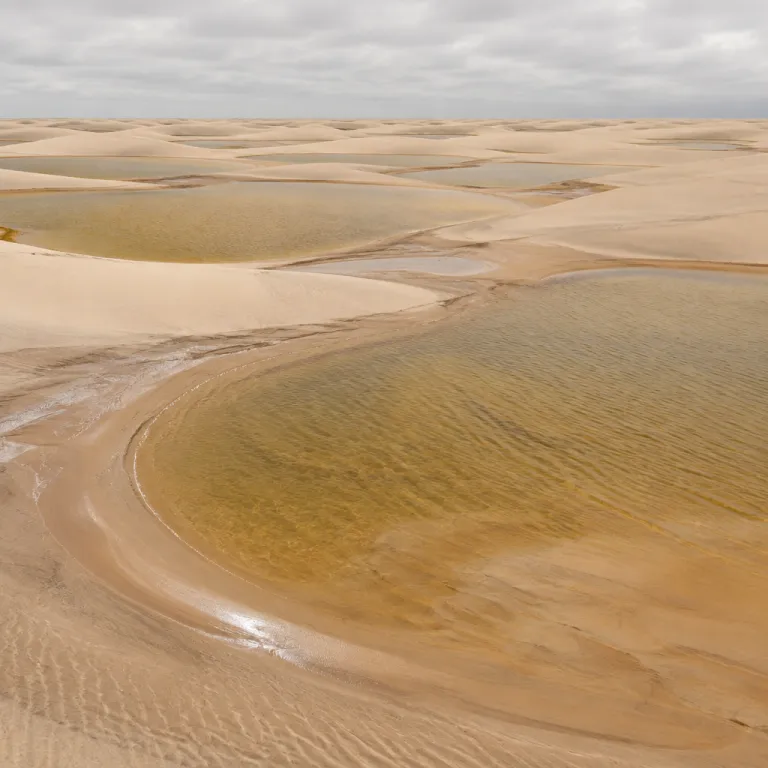
Timing is everything when you plan a Lençóis Maranhenses trip. To understand the Lençóis Maranhenses best time to visit, you first need to grasp how rain, wind, and sand interact across this remote corner of Brazil. The national park looks like a desert of white dunes, yet hidden between them lie thousands of freshwater lagoons that appear and vanish with the seasons.
This landscape sits in Maranhão, where the rainy months gradually fill the lagoons between the dunes. From roughly January to June, the Lençóis Maranhenses National Park transforms from a dry expanse into a mosaic of blue and green pools that attract travelers seeking an off the beaten path experience in Brazil. When the dry season advances from July onward, many lagoons shrink or disappear, so the time you visit directly shapes what you will see and photograph.
Think of the park as a living organism that breathes with the Atlantic trade winds. Those winds sculpt the dunes into soft ridges that can reach more than 40 m, while the seasonal rains carve out the lagoons visitors come to swim in. Any serious guide to the region must therefore focus less on calendar labels and more on how water levels, wind, and sun define the ideal period for each type of traveler.
From São Luís to Santo Amaro: choosing your seasonal base
Most travelers start their itinerary in São Luís, the coastal capital that serves as the main gateway to the park. From São Luís you can reach Barreirinhas, Santo Amaro do Maranhão, or Atins, each offering a different way to explore Lençóis and its dunes and lagoons. Your choice of base, and the time you visit, will determine how much driving, walking, and boating your trip will involve.
Santo Amaro sits closest to some of the most spectacular dune–lagoon combinations in the entire national park. During the months when water levels peak, usually between late May and early August, a short drive from the village brings you directly to mirror like lagoon basins framed by untouched sand. In the drier months, Santo Amaro still offers dramatic dune hiking, but the lagoons near town can become shallow, so guides often adjust tours to reach deeper pools.
Barreirinhas remains the most developed hub for visiting Lençóis Maranhenses, with more tour options and easier access from São Luís. The road transfer from São Luís to Barreirinhas typically takes about four hours by shared van or private car, with prices that often range from mid-budget shared shuttles to higher private transfer rates. If you plan your travel during the shoulder period between the heaviest rains and the full dry season, Barreirinhas gives you flexibility to adapt each day based on local conditions. For travelers used to complex routes, resources that explain how to avoid unnecessary layovers, such as a detailed article on flying directly to remote hubs instead of relying on multiple connections, can help you structure your Brazil flights efficiently and align them with the best time for your park visit.
Understanding the January to June transition
Locals often describe the January to June stretch as the critical build up to the lagoon season. Early in this period, the dunes remain dominant and many lagoon beds are still dry or only partially filled. As the weeks pass, rainwater accumulates and transforms the Lençóis Maranhenses National Park into a network of swimmable pools.
If you schedule your visit too early in this cycle, you may find that iconic spots like Lagoa Azul or Lagoa Bonita have not yet reached their full depth. On the other hand, travelers who enjoy solitude and cooler temperatures might appreciate this quieter phase, when visiting Lençóis means more walking on firm sand and fewer crowds at the main viewpoints. A complete guide to seasonal patterns will always highlight that the best time depends on whether you prioritize full lagoons or empty trails.
Wet versus dry: matching your expectations to the right month
When people ask about the Lençóis Maranhenses best time to visit, they usually compare the wet and dry season. The wettest months gradually fill the lagoon basins, while the following dry season slowly evaporates them under intense equatorial sun. Both phases offer strong reasons to travel, but they reward different types of visitors and different styles of photography.
During the peak water period, roughly from late May through July, the dune–lagoon contrast reaches its most photogenic state, with turquoise pools set against bright white sand. This is when a full day tour from Barreirinhas or Santo Amaro can include multiple swimming stops, sunset viewpoints, and sometimes a boat ride on the Preguiças River. Families, first time visitors, and photographers often consider this the best time because every short walk reveals another lagoon framed by sculpted dunes.
As the dry season advances into August, September, and October, the park becomes more about shapes, shadows, and silence than about water. Some lagoons are reduced to isolated pockets, but the exposed sand creates vast ridges ideal for sunrise hikes and long horizon views. Travelers who value solitude, cooler early morning walks, and a more meditative atmosphere may find that visiting during this phase offers a different, equally compelling definition of best, especially if they have already experienced the park with full lagoons.
Balancing crowds, climate, and comfort
Choosing your time to visit Lençóis Maranhenses also means balancing crowd levels with comfort. The most popular weeks for travel often coincide with school holidays in Brazil, especially in July, when São Luís and Barreirinhas see higher hotel occupancy and more group tours. If you prefer quieter dunes and lagoons, consider arriving just before or after these domestic peaks.
Heat and humidity remain constant factors, especially when you hike across open sand for a full day. Plan your itinerary so that the longest walks happen early in the morning or late in the afternoon, when the sun sits lower and the dunes cast longer shadows. A practical packing strategy for multi climate trips, such as one explained in a detailed carry on packing guide for routes that move from desert heat to cooler highlands, can help you prepare for both intense sun on the dunes and breezier evenings along the Preguiças River.
Iconic lagoons and routes: when each classic shines
Certain lagoons in the Lençóis Maranhenses National Park have become reference points for planning. Lagoa Azul and Lagoa Bonita, both accessible from Barreirinhas, illustrate how the Lençóis Maranhenses best time to visit can vary even within the same region. When water levels peak, these lagoons form deep, clear pools that reflect the sky and surrounding dunes.
During the early part of the rainy build up, Lagoa Azul may appear shallower, with more visible sand banks and fewer swimmable sections. Lagoa Bonita, reached by a steeper climb, often rewards visitors with wider panoramic views of the dune–lagoon landscape, even when the water has not yet reached maximum depth. A complete guide will note that both lagoons offer strong experiences across several months, but the character of each visit changes with the water line.
Santo Amaro and its surrounding lagoa systems provide a different rhythm. Many tours from Santo Amaro focus on smaller, more intimate lagoon clusters where you can spend most of the day swimming and resting on quiet sandbars. When you plan your visit here, ask local guides which lagoa near town currently holds the clearest water, because the best option can shift week by week as the dry season progresses.
Designing a flexible day by day itinerary
A smart itinerary builds in room for weather changes and local advice. Start with a general structure that includes at least one full day in Barreirinhas, one full day in Santo Amaro, and a half day on the Preguiças River. Then adjust the sequence once you arrive in São Luís and hear the latest lagoon conditions from guides who visit the park daily.
For example, if heavy rain has recently fallen, you might prioritize a tour to more distant lagoon systems that only become accessible when water levels rise. During a drier spell, you could focus on sunrise or sunset hikes that highlight the sculptural quality of the dunes rather than the lagoons themselves. One local guide in Barreirinhas summed it up simply: “Ask about yesterday’s lagoons, not last year’s calendar.” This flexible approach ensures that your travel aligns with the actual state of the Maranhense landscape, rather than a fixed idea of the best time taken from a generic schedule.
Off the main circuits: Santo Amaro, Atins, and river routes
While Barreirinhas anchors most first visits, the quieter corners of Lençóis Maranhenses reward travelers who venture further. Santo Amaro, often shortened to Santo Amaro by locals, offers a more intimate relationship with the dunes because the village sits almost at the edge of the national park. From here, short drives or even walks can bring you to lagoons that feel far removed from the main circuits.
Atins, near the mouth of the Preguiças River, combines access to the park with a laid back coastal atmosphere. The best time to stay here often overlaps with the windier months, roughly from July to September, when kitesurfers share the shoreline with hikers returning from full day excursions into the dunes. If your travel style favors slower mornings, riverfront lunches, and late afternoon walks, Atins can be an ideal base during the shoulder between wet and dry.
Boat trips along the Preguiças River link these communities and reveal another face of the Maranhense environment. Mangroves, small fishing villages, and river sandbars create a softer landscape that contrasts with the stark dune–lagoon scenery inside the park. Planning at least one day on the river, regardless of the season, adds depth to your understanding of how water shapes both the ecology and the human life of this part of Brazil.
Seasonal access and logistics in remote areas
Access to Santo Amaro and some Atins routes can change with the seasons. During the wettest months, certain sandy tracks become difficult for standard vehicles, and transfers may take longer than scheduled. In the driest phase, river levels can drop, affecting boat timetables along the Preguiças River and altering how you connect different parts of your itinerary.
When you evaluate the Lençóis Maranhenses best time to visit from a logistics perspective, consider not only lagoon depth but also road and river conditions. Travelers who value predictability might prefer the transition between the end of the heavy rains and the start of the driest weeks, often around late May and June, when both access and lagoon levels tend to be more stable. Those who enjoy more rugged travel may accept occasional delays in exchange for seeing the park at its most dramatic, whether that means towering dry dunes or freshly filled lagoon chains.
Safety, sustainability, and respecting a fragile national park
Lençóis Maranhenses is a protected national park, and its apparent emptiness hides a fragile ecosystem. The sand holds freshwater reserves that local communities depend on, and the lagoons host small fish and invertebrates that arrive with the rains. When you plan your visit, factor in not only what you want to see but also how your presence will affect this delicate environment.
Always travel with licensed guides who understand the official access rules for the Lençóis Maranhenses National Park. They know which dunes are safe to climb, which lagoon edges are stable, and how to avoid areas where vegetation anchors the sand. Responsible guides also time their tours to reduce heat stress for visitors, scheduling the longest walks during cooler hours and ensuring that every full day outing includes adequate water and shade breaks.
Sustainability also means choosing the right season for your own health and comfort. If you are sensitive to intense heat, the very peak of the dry season may not be your best time, even if the dunes look spectacular. In that case, visiting during a slightly cooler, breezier window can help you enjoy the park more fully while reducing the risk of heat related issues on long hikes.
Packing and on the ground etiquette
Packing for Lençóis requires more than a swimsuit and sandals. Light, long sleeved clothing protects you from sun and wind on exposed dunes, while a wide brimmed hat and high SPF sunscreen are essential in both wet and dry phases. Footwear that can handle both sand and water, such as sturdy sandals or light shoes that dry quickly, will make each day more comfortable.
On the dunes and around every lagoon, leave no trace. Do not use soap or sunscreen directly in the water, avoid stepping on fragile vegetation, and carry out all rubbish, even small items like bottle caps. Respecting these simple rules ensures that the Maranhense landscape remains pristine for future visitors and for the communities who live around the park.
Comparing Lençóis to other seasonal, off the beaten path landscapes
Lençóis Maranhenses belongs to a small group of landscapes where timing transforms the entire experience. Just as certain Arctic coasts reward travelers who choose winter for crowd free northern lights, this Brazilian national park offers its most iconic lagoons only during a limited seasonal window. Understanding this rhythm is central to deciding your personal Lençóis Maranhenses best time to visit.
Travelers who enjoy planning around seasonal spectacles often compare Lençóis with destinations such as Iceland, where winter tours reveal hidden coasts and aurora filled skies. In both cases, the best time depends on whether you prioritize dramatic weather, fewer visitors, or easier logistics. A thoughtful guide will always emphasize that there is no single perfect month, only a range of options that align differently with each traveler’s goals.
For those building longer South American itineraries, Lençóis can serve as a highlight between more urban stops in São Luís or other Brazilian cities. The contrast between colonial streets and the minimalist dune–lagoon scenery heightens the sense of entering an entirely different world. By aligning your visit with the lagoon cycle, you ensure that this off the beaten path segment becomes a defining chapter of your Brazil journey rather than just a side trip.
Who should aim for which season
Photographers and first time visitors usually benefit most from the period when lagoons are full and the dunes reflect in still water, typically from late May to July. Families and casual swimmers also tend to prefer this window, when a short walk from the vehicle often leads directly to a deep, clear lagoon. For them, the best time means maximum water, softer sand, and shorter hikes.
Experienced hikers, repeat visitors, and travelers who value solitude might choose the later dry season instead, especially from August to October. During this phase, visiting Lençóis becomes more about long ridge walks, subtle light, and the sculptural forms of the dunes themselves. The park feels wilder, and a full day on foot can pass without meeting many other groups.
Whichever season you choose, treat the Lençóis Maranhenses National Park as a place that rewards patience and attention. Listen to local advice in São Luís, Santo Amaro, and Barreirinhas, adjust your plans as conditions change, and allow the park’s shifting balance of dunes and lagoons to guide your days. In doing so, you will define your own, very personal answer to the question of the Lençóis Maranhenses best time to visit.
Key figures for planning a Lençóis Maranhenses trip
- Lençóis Maranhenses National Park covers approximately 1 550 km², making it larger than the city of São Paulo and giving travelers vast space to spread out across dunes and lagoons (source: Instituto Chico Mendes de Conservação da Biodiversidade, ICMBio).
- Rainfall in the region can exceed 1 600 mm per year, with most precipitation concentrated between January and June, which directly controls how full the lagoons become during the main visiting season (source: Brazilian National Institute of Meteorology, INMET).
- Daytime temperatures in the park typically range from 26 °C to 32 °C, with the strongest sun exposure between late morning and mid afternoon, which is why most guided tours focus on early morning and late afternoon departures (source: Brazilian National Institute of Meteorology, INMET).
- Visitor numbers to Lençóis Maranhenses have increased over the past decade, with Barreirinhas registering significant annual arrivals, yet the park still receives far fewer visitors than major Brazilian coastal resorts, preserving its off the beaten path character (source: Maranhão state tourism statistics and ICMBio reports).
- The highest dunes in Lençóis Maranhenses can reach more than 40 m in height, creating steep climbs and fast descents that require good physical condition and careful guidance, especially during hotter phases of the dry season (source: Brazilian Geological Survey, CPRM).
FAQ about the best time to visit Lençóis Maranhenses
When is the best time to see the lagoons at their fullest ?
The lagoons in Lençóis Maranhenses usually reach their fullest levels shortly after the main rainy period ends. This often occurs between late May and early July, when water has accumulated but strong evaporation has not yet reduced lagoon depth. During this window, classic spots such as Lagoa Azul and Lagoa Bonita typically offer deep, clear water and easier access for swimming.
Is it worth visiting Lençóis Maranhenses during the dry season ?
Visiting Lençóis Maranhenses during the dry season can still be rewarding, especially for travelers who value solitude and dune hiking. While many lagoons shrink or disappear, the exposed sand creates dramatic ridges, long sightlines, and striking sunrise and sunset views. If you accept longer walks and fewer swimming opportunities, the dry season can offer a quieter, more contemplative experience.
How many days should I plan for Lençóis Maranhenses ?
Most travelers should plan at least three full days in the region to appreciate different parts of the park. One day can focus on classic lagoons near Barreirinhas, another on the quieter landscapes around Santo Amaro, and a third on the Preguiças River and coastal areas such as Atins. With four or five days, you can add sunrise hikes, sunset tours, and rest periods to handle the heat comfortably.
Do I need a guide to visit the dunes and lagoons ?
Traveling with a licensed guide is strongly recommended and, in many areas of the Lençóis Maranhenses National Park, effectively essential. Guides know safe routes across the dunes, current lagoon conditions, and official access rules designed to protect the environment. They also help you time your walks to avoid the hottest hours and ensure that your visit remains both safe and respectful of local regulations.
Which town is better as a base : Barreirinhas or Santo Amaro ?
Barreirinhas offers more accommodation, restaurants, and tour options, making it a convenient base for first time visitors. Santo Amaro sits closer to some of the most impressive dunes and lagoons, providing a more intimate, less developed atmosphere but with fewer services. Many travelers choose to split their stay between both towns to experience the full range of landscapes and access styles within Lençóis Maranhenses.