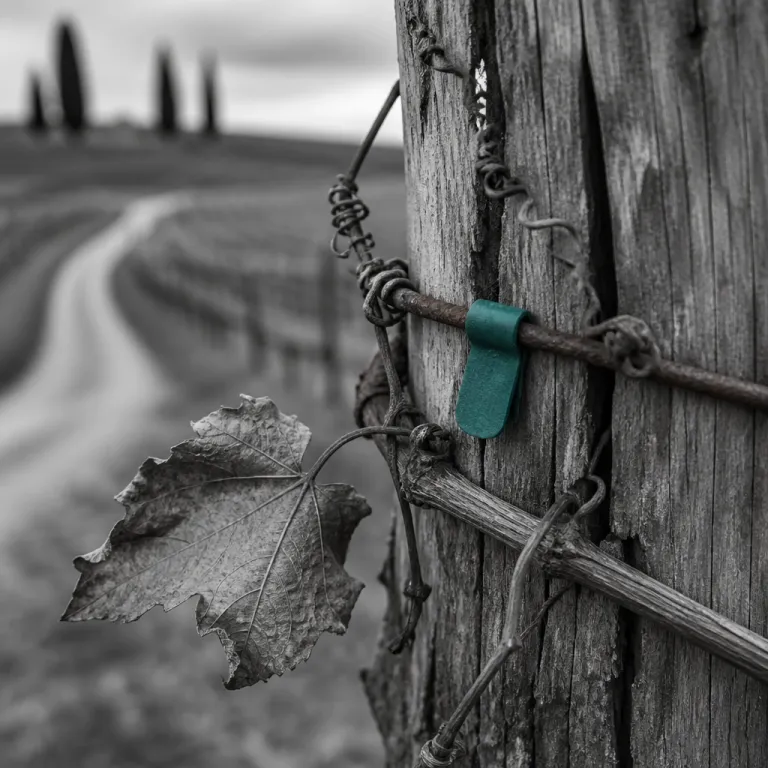
Why tuscany autumn belongs on your off‑the‑beaten‑path list
Tuscany in autumn offers a quieter, more intimate side of Italy. During this season the grape harvest, olive picking, and truffle hunts reshape daily life across the region, pulling visitors away from crowded cities and into working countryside. If you are seeking off the beaten path destinations, a Tuscan autumn rewards you with authentic encounters and a slower rhythm.
From September to November, temperatures in this part of Italy stay mild, with warm days and cooler evenings that suit long walks through vineyards and medieval lanes. Regional climate summaries from the Italian Air Force Meteorological Service (monthly bulletins for central Italy, 1991–2020 averages) and Tuscany’s regional environmental agency ARPAT (climate normals for Florence and Siena provinces) report average daytime temperatures of about 26 °C in September, 18 °C in October, and 12 °C in November, which means you can comfortably explore hills and valleys without the intense summer heat. This makes autumn in Tuscany ideal for travellers who prefer layered clothing, soft light, and the rich colours of an evolving landscape.
The agricultural calendar defines fall in Tuscany far more than any marketing slogan. Local farmers lead the grape harvest in September, then shift to the olive trees in October, while chestnuts and truffles follow as the season deepens. Tourists who time a weekend October escape or longer stay can join these events respectfully, learning how traditional harvesting methods coexist with modern agritourism in Tuscany, Italy.
For off the beaten path exploration, focus on the rural heart of Italy’s Tuscany rather than only the famous cities. The rolling hills around small villages, the quiet Val d’Orcia backroads, and the lesser known Chianti hills all feel different once the main crowds leave after summer. Plan at least one day Tuscany itinerary that avoids highways and follows narrow lanes between hilltop vineyards, where the only traffic may be tractors and wandering pheasants.
Many travellers ask whether autumn vineyard visits are as scenic as spring or summer. The answer is yes, but in a different way, because the vineyards turn copper, amber, and deep red while the surrounding hills shift from dusty gold to saturated green. One photographer described Tuscany autumn light as “like a soft filter you do not have to pack,” thanks to its low angles, long shadows, and misty mornings that soften every vineyard and valley.
Reading the landscape: where tuscany autumn truly shines
The most evocative landscapes of Tuscany in autumn unfold in the southern valleys, where agriculture and history intertwine. Val d’Orcia, often written as Val Orcia, stretches between rolling hills, cypress lined ridges, and stone farmhouses that seem unchanged for centuries. When you visit Tuscany in this season, these views feel almost private, especially on quiet weekdays.
During September and October, the fields around this region shift from the bright greens of late summer to the earthy browns of freshly turned soil. Patches of autumn vineyard remain vivid, while isolated olive trees cast long shadows across the slopes. Travelling slowly through Val d’Orcia by car or bicycle lets you appreciate how each curve in the road reveals a new composition of hills, vineyards, and distant villages.
North of here, the Chianti region between Florence and Siena offers a different reading of Tuscan terrain. The Chianti hills are more densely planted with vineyards and dotted with small hamlets, where local farmers balance wine production with agritourism and seasonal events. If you plan a weekend October stay, you can often walk directly from your accommodation into surrounding hillside vineyards, following unpaved tracks used by tractors and harvest crews.
San Gimignano, famous for its medieval towers, becomes more atmospheric in Tuscany fall once the day trip crowds thin. Early in the morning, when mist still clings to the surrounding hills, the stone walls and narrow lanes feel almost theatrical. Use this quieter time to frame the town through your camera lens from nearby viewpoints, capturing both the skyline and the patchwork of vineyards below.
Travellers who enjoy slow journeys may appreciate reading about unhurried city breaks such as a detailed guide to a 48 hour city experience in another region of the world, which argues for seeing less but feeling more. The same philosophy applies in Italy’s Tuscany, where a single day Tuscany drive through backroads can be more rewarding than racing between famous monuments. Focus on one valley, one cluster of villages, and one set of walking paths, and let the season reveal its subtleties.
Harvest rhythms: wine, olives, and seasonal food traditions
Autumn in Tuscany is defined by harvest, and understanding this rhythm helps you plan meaningful experiences. In early September and October, the grape harvest begins across much of Tuscany, Italy, with local farmers picking by hand in smaller plots and using machines in larger vineyard estates. Visitors who respect working schedules can sometimes join supervised grape harvest activities, learning how ripeness is judged and how different parcels contribute to a final wine.
Chianti, the historic wine region between Florence and Siena, is particularly engaging during this period. Many estates offer structured wine tasting sessions that explain the role of Sangiovese grapes, soil types, and barrel ageing in shaping classic Chianti wines. When you attend these tastings in autumn Tuscany, you often see the fermenting tanks in action and smell the intense aromas that fill the cellars during the busiest days of the season.
By October, attention shifts from vineyards to olive trees scattered across hills and valleys. The olive harvest is shorter and more urgent, because producers aim to press the fruit quickly to preserve freshness and peppery flavours. Joining an olive harvest day Tuscany style, even as an observer, reveals how families and seasonal workers collaborate, using both traditional hand rakes and modern equipment.
Food festivals and village events celebrate each stage of this agricultural cycle. In many small towns across the region, you will find autumn vineyard fairs, chestnut roasts, and truffle themed menus that highlight local produce. Well known examples include the white truffle fair in San Miniato, usually held on weekends in November, and chestnut festivals in towns such as Marradi and Castel del Piano in October. Regional tourism portals and local municipal calendars list these events in detail, making them ideal for travellers who prefer off the beaten path experiences, because they attract more residents than international tourists and often take place in modest community halls or open squares.
Wellness focused travellers can combine these harvest experiences with restorative stays that echo the spirit of curated wellness retreats worth the detour in other parts of the world, where sound baths, forest walks, and slow meals form the core of the journey. In Italy’s Tuscany, the equivalent might be a morning walk through misty rolling hills, followed by a simple lunch of new season olive oil and local wine. This balance of sensory pleasure and gentle activity suits the reflective mood of Tuscany autumn.
Off the beaten path between Florence and Siena
The corridor between Florence and Siena is one of the most visited parts of Tuscany, yet autumn reveals quieter alternatives just a short detour from the main roads. Instead of rushing directly between the two cities, consider spending several days exploring side valleys, hilltop villages, and lesser known vineyards. This approach turns a standard transfer into a rich off the beaten path itinerary shaped by the season.
Start by leaving Florence early and following smaller roads that wind through the Chianti hills, where stone farmhouses and cypress lined driveways punctuate the landscape. Many of these routes pass working vineyards that welcome visitors for informal wine tasting, especially outside peak summer. In Tuscany autumn, you may find yourself sharing a terrace only with local farmers taking a break after the morning’s work.
Midway between Florence and Siena, small villages such as Castellina in Chianti, Radda in Chianti, or Gaiole in Chianti offer a slower rhythm than larger towns. Their central squares host modest events during the harvest season, from food stalls to small concerts, which give insight into everyday life in this region. Spending one or two days here allows you to walk short trails through vineyard covered hills and return in time for an early evening glass of wine.
Approaching Siena, the terrain opens into broader valleys that hint at the nearby Val d’Orcia and its iconic rolling hills. If you have a weekend October window, consider basing yourself in a rural guesthouse south of Siena and exploring in loops rather than point to point. This pattern mirrors the philosophy of travelling at your own pace described in thoughtful slow travel narratives about spending a week in a lesser known city, where depth replaces checklist sightseeing.
Throughout this corridor, public transport is limited, so renting a car offers the most flexibility for off the beaten path exploration. Drive cautiously on narrow lanes, especially during the grape harvest when tractors and small trucks move between vineyard plots. Always ask permission before entering private property, and remember that during busy harvest days, workers may have limited time for conversation even though they remain welcoming.
Practical seasonal tips for photographing tuscany autumn
Photographers are drawn to Tuscany autumn because the combination of rolling hills, vineyards, and changing light creates endlessly varied scenes. To make the most of this season, plan your shooting days around sunrise and late afternoon, when the low sun sculpts the landscape. Midday light can still be useful, but it tends to flatten the subtle textures of ploughed fields and stone villages.
Carry a versatile lens that covers both moderate wide angle and short telephoto focal lengths, because Tuscany, Italy rewards both sweeping vistas and compressed layers of hills. A wider lens helps you frame entire valleys, while a longer one isolates lone farmhouses, cypress rows, or isolated autumn vineyard parcels. If you enjoy walking, a lightweight tripod can stabilise long exposures during blue hour when village lights begin to glow.
Many travellers search for free photos of Tuscany fall online, but creating your own images offers a deeper connection to place. When you visit Tuscany in September or October, you will notice how quickly conditions change, with morning fog lifting to reveal clear skies and then returning by evening. This variability means that the same viewpoint in Val d’Orcia or Chianti can look entirely different from one day to the next.
Respect private land while seeking the best vantage points, especially around vineyards and olive trees. Stay on public roads or marked paths unless you have explicit permission from landowners, and avoid blocking access for agricultural vehicles during the grape harvest. Remember that local farmers are working long days in this season, so a friendly greeting and a quick question before setting up your tripod go a long way.
For travellers who prefer to experience landscapes slowly rather than racing between famous spots, resources that advocate for seeing fewer places in more depth can be helpful. Applying that mindset in Italy’s Tuscany might mean choosing one ridgeline in Val d’Orcia and returning there over several days to photograph changing light, weather, and agricultural activity. The resulting series of images will tell a more nuanced story of autumn in Tuscany than any single postcard view.
Packing, timing, and ethical travel in tuscany autumn
Preparing well for Tuscany autumn ensures that you can enjoy both comfort and spontaneity during your trip. Weather in this season is generally mild, but temperatures shift significantly between sunny afternoons and cool evenings, especially in higher hills. Pack layers, including a light insulated jacket, a breathable base layer, and a compact rain shell for sudden showers.
Footwear matters when you plan to explore off the beaten path landscapes, because many rural roads become muddy after rain and vineyard tracks can be uneven. Choose waterproof walking shoes with good grip, suitable for both village cobblestones and dirt paths between vineyard covered hills. A small daypack with space for water, a camera lens, and a spare layer will keep you flexible during long days out.
In terms of timing, September and October offer the richest combination of grape harvest activity, comfortable temperatures, and colourful foliage. By late October, olive trees take centre stage as the olive harvest accelerates, while November brings truffle festivals and quieter roads. Whenever you visit Tuscany in this season, booking accommodation early is wise, because agritourism stays and rural guesthouses fill quickly during popular events.
Ethical travel in Italy’s Tuscany means recognising that you are entering working landscapes rather than open air museums. Support local economies by choosing family run restaurants, buying directly from producers at markets, and paying fair prices for wine tasting or guided walks. When photographing or sharing free photos online, avoid geotagging fragile locations that cannot handle increased traffic, especially narrow dirt tracks or sensitive viewpoints on private land.
Finally, remember that the essence of Tuscany autumn lies in its everyday rhythms rather than staged experiences. Sit in a small village bar and watch local farmers discuss the day’s work, or pause on a ridge in Val d’Orcia to listen to the quiet between passing tractors. As one visitor put it after a late October stay, “I came for the views, but it is the sound of gravel under boots and distant pruning shears that I still hear months later.”
Key figures for planning tuscany autumn travel
- Average temperatures in Tuscany during autumn range from about 26 °C in September to 18 °C in October and 12 °C in November, according to regional climate data from ARPAT (Tuscan climate normals for 1991–2020) and the Italian Air Force Meteorological Service (central Italy seasonal bulletins), which makes this season comfortable for outdoor activities without summer heat stress.
- The main harvest timeline in the region runs from early September for the grape harvest, through October for the olive harvest, and into November for truffle focused events, so travellers can align visits with specific agricultural interests.
- Regional tourism boards and local organisations report growing interest in agritourism and food festivals during Tuscany fall, reflecting a broader shift toward sustainable travel that supports rural economies rather than only major cities.
- Many rural areas in Tuscany, Italy remain accessible primarily by car, with limited public transport options, so travellers should plan for rental vehicles if they wish to reach off the beaten path villages and remote viewpoints.
FAQ about visiting tuscany in autumn
What is the weather like in tuscany during autumn ?
Weather in Tuscany autumn is generally mild, with warm days and cooler nights plus occasional rain. Regional data from ARPAT and national meteorological services indicate average temperatures of about 26 °C in September, 18 °C in October, and 12 °C in November, so layered clothing works best. These conditions are ideal for walking, vineyard visits, and outdoor meals without the intense heat of summer.
Is autumn a good time to visit tuscany for fewer crowds ?
Yes, autumn is one of the best times to visit Tuscany if you prefer fewer crowds and more authentic encounters. Major cities such as Florence and Siena remain active, but rural areas, vineyards, and small villages feel noticeably calmer than in peak summer. This quieter atmosphere suits off the beaten path exploration, especially in regions like Val d’Orcia and the Chianti hills.
What festivals or events take place in tuscany during autumn ?
Across Tuscany, autumn brings grape harvest festivals in September, olive harvest celebrations in October, and truffle themed events in November. Many of these take place in small towns and villages, featuring local food, wine, and music rather than large scale performances. Travellers interested in specific products, such as new season olive oil or truffles, should check local tourism board calendars before planning dates.
How should I pack for a trip to tuscany in autumn ?
Packing for Tuscany fall means preparing for variable temperatures and mixed conditions. Bring breathable layers, a light insulated jacket, a compact waterproof shell, and comfortable walking shoes suitable for both village streets and rural paths. A small daypack, reusable water bottle, and protective cover for your camera lens will help you stay ready for long days outdoors.
Can I participate in the grape or olive harvest as a visitor ?
Some farms and agritourism properties in Tuscany, Italy offer structured experiences that allow visitors to observe or briefly join the grape harvest or olive picking. These activities are usually prearranged and supervised, because the work is time sensitive and physically demanding. Contact properties well in advance, respect safety instructions, and remember that your presence should never slow the professional harvesters who depend on this season for their income.
Trusted references for further planning
- Regional Tuscan climate summaries from ARPAT and the Italian Air Force Meteorological Service for seasonal weather data and planning insights.
- Official Tuscany tourism portals and municipal event calendars for updated information on regional festivals and cultural events.
- Well researched slow travel blogs and first hand narratives about travelling through Tuscany in autumn for practical tips and personal perspectives.