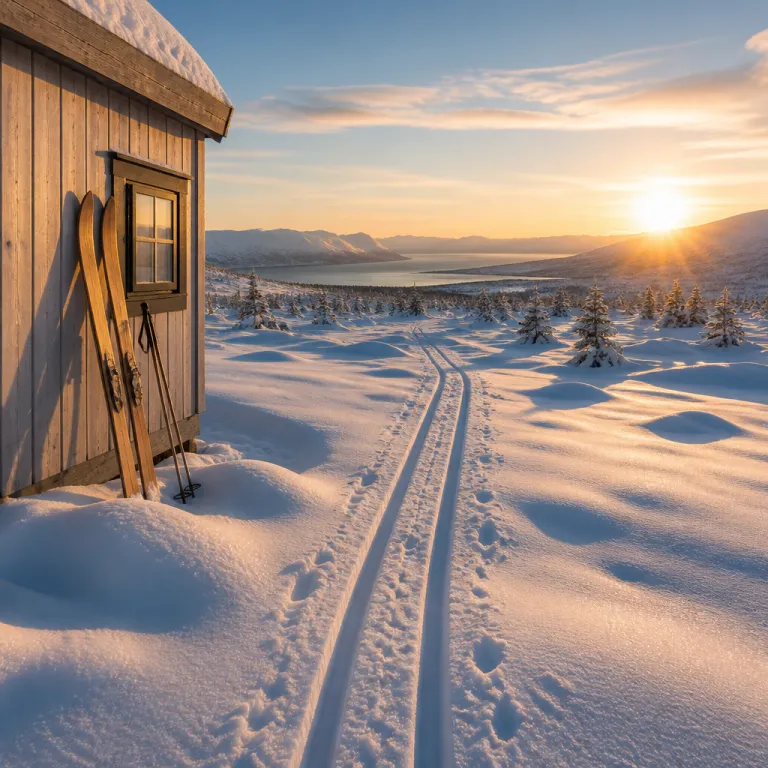
Off the beaten path cross country skiing in Norway
Why cross country skiing in Norway belongs on your offbeat radar
Cross country skiing in Norway is not just a sport; it is a quiet way to move through some of Europe’s last truly wild spaces. The national passion for skiing means that even remote trails are carefully mapped, yet many remain blissfully empty for days at a time. When you leave the big alpine resorts behind, you step into a winter landscape where the only sounds are your skis on snow and the wind over the mountain plateaus.
Norway treats cross country skiing as a birthright, and that culture benefits visiting skiers who want an authentic experience away from crowds. Figures from the Norwegian Trekking Association and national tourism sources indicate that the country maintains on the order of 30,000 km of prepared ski tracks, with a large share running through forests, uplands, and national park buffer zones that see few international visitors. Because skiing in Norway is so deeply rooted in daily life, you will find groomed routes starting right on the edge of small villages, linking farms, cabins, and frozen lakes into a seamless network.
For travelers drawn to off the beaten path destinations, this network opens up a different kind of Nordic skiing adventure that feels more like slow travel than sport. You can plan a multi day ski tour between simple cabins, or base yourself in one quiet valley and explore a new loop every morning. Many regions combine cross country skiing with other winter activities such as gentle snowshoeing circuits or lantern lit walks, so non skiers in your group still enjoy the winter season.
Reading the terrain: choosing regions and trails beyond the obvious
Most visitors hear about Oslo’s city tracks or the famous race routes near Lillehammer, yet the real magic of cross country skiing in Norway lies just beyond those hubs. Around Lillehammer itself, a short bus ride brings you to Sjusjøen, a high plateau settlement in Innlandet where groomed trails fan out for hundreds of kilometres across rolling terrain. Here, you can ski tracks that locals use for training, then slip onto quieter connectors that feel a world away from the stadium where champions like Johannes Høsflot Klæbo built their careers.
To the west, the Jotunheimen region offers a more rugged cross country experience that suits confident skiers who enjoy mountain weather and long days. In late winter, when the light stretches and the snowpack stabilises, classic ski tours cross frozen lakes and gentle passes between peaks that rise above 2,000 m. These routes are not about speed but about moving steadily through a vast winter landscape, often linking staffed cabins such as Gjendesheim or Fondsbu where you can end the day with a hot meal and stories from fellow travelers on their own ski holidays.
Southern Norway is often overlooked for Nordic skiing, yet its inland valleys hide some of the most atmospheric trails in the country. Forested hills, frozen rivers, and small farms create a softer terrain that is ideal for your first multi day adventure on cross country skis. If you are planning a broader bucket list of offbeat experiences, pairing these quiet ski tours with other offbeat adventure activities beyond the ordinary can turn a simple winter holiday into a richer journey through Norway’s rural culture.
The Peer Gynt trail and other classic routes without the crowds
Among Norway’s long distance routes, the Peer Gynt trail stands out as a perfect bridge between comfort and remoteness. This legendary route runs for roughly 70 km through upland terrain north of Lillehammer, following a line of ridges and valleys with wide views towards Jotunheimen’s mountain summits. Over five to seven days, you ski from lodge to lodge on groomed tracks by day, then settle into cosy dining rooms at night while the snow piles silently outside.
Despite its fame among Norwegians, the Peer Gynt trail still feels surprisingly quiet compared with alpine resorts or busier cross country corridors near major cities. The route is fully marked during the main winter season, and luggage transfer is often available through local transport and accommodation providers, which allows you to travel with light daypacks and enjoy the rhythm of skiing without heavy loads. For many travelers, this becomes their first true ski adventure, a chance to test longer distances on cross country equipment while still having the safety net of waymarked sections and staffed accommodations.
Other multi day ski tours in southern Norway offer a similar balance, threading through forests and open moorland where you might not meet another group for hours. Some operators combine these routes with gentle snowshoeing excursions on rest days, giving your legs a break while you still explore the winter landscape. If you enjoy unusual outdoor stays, you can even echo the spirit of Scandinavian glamping by choosing rustic cabins or architect designed lodges along your ski trails, creating a sequence of unique overnight stops that match the character of the terrain.
Practical planning for off the beaten track nordic skiing routes
Planning cross country skiing in Norway away from the main hubs starts with timing your trip for the heart of the winter months. Local tourism boards and national organisations consistently advise that the winter months, typically from December to March, offer the best conditions. During this period, groomed trails are most reliable, daylight hours are sufficient for long ski tours, and the snowpack in both forest and mountain terrain is usually stable.
For first time visitors, it makes sense to combine one or two guided days with independent outings. A local guide can help you understand how Norway marks ski trails, read the subtle signs of changing weather, and choose routes that match your fitness and experience. Once you are comfortable with the system, you can spend several days exploring on your own, using paper maps, regional trail apps, and downloadable GPX tracks to link loops into satisfying journeys that still end back at your base each evening.
Equipment is straightforward, and you do not need to bring your own skis unless you have very specific preferences. Many ski centres and village sports shops rent cross country skis, boots, and poles, and national tourism advice confirms that many ski centers offer equipment rentals, so bringing your own is not necessary. If you are curious about combining skiing in Norway with other winter activities such as snowshoeing or short Nordic technique lessons, these same centres often arrange small group sessions that keep the focus on quiet nature rather than crowded slopes.
Staying safe and comfortable in Norway’s winter landscape
Traveling off the beaten path on cross country skis demands respect for Norway’s winter landscape, even when you are following groomed trails. Weather can shift quickly in both mountain and forest terrain, so you should always check local forecasts before setting out and be prepared to adjust your plans. A simple rule is to choose shorter routes on days with wind or poor visibility, then save the longer cross country tours for clear, calm conditions.
Layered clothing is essential, because Nordic skiing generates heat on the climbs yet can feel very cold on exposed ridges. Start with a moisture wicking base layer, add a light insulating mid layer, and carry a windproof shell in your pack for rest stops or sudden gusts on open plateaus. Many experienced skiers also pack a thin down jacket, a small thermos, and an emergency bivy bag, especially when venturing into areas near a national park or onto high plateaus where help may be several hours away.
Navigation on marked ski tours is usually straightforward, but offbeat routes sometimes cross unmarked sections between groomed trails. In these cases, a paper map and compass remain more reliable than a phone alone, particularly in cold weather that drains batteries. If you are new to winter navigation, consider joining a guided ski adventure for your first days, then gradually explore more remote loops as your confidence grows and your understanding of the country’s winter terrain deepens.
Moments that make cross country skiing in Norway unforgettable
What sets cross country skiing in Norway apart is not only the scale of the trail network but the small, quiet moments it offers. You might glide through a birch forest at dusk, the snow turning blue while wood smoke rises from a single farmhouse, and feel as if you have stepped into a painting. On clear nights in the north of the country, there is the chance that the northern lights will ripple above your ski tracks, transforming an ordinary glide back to your cabin into a memory that anchors your entire holiday.
Off the beaten path routes also bring you closer to the living culture that keeps Nordic skiing at the heart of Norwegian identity. Families tow children in sleds along gentle trails, older skiers move steadily on classic skis they have used for years, and local clubs maintain groomed tracks as a volunteer winter activity that binds communities together. This continuity helps explain why Norway continues to lead in international competitions and why cross country specialists such as Johannes Høsflot Klæbo and other elite racers inspire new generations to take to the snow.
If you are drawn to wildlife rich journeys, it can be helpful to read about wildlife trekking adventures in other off the beaten path destinations to frame your own encounters. While skiing Norway’s quieter valleys, you may spot tracks of fox, hare, or even lynx crossing your route overnight. These subtle signs, combined with the rhythm of your skis and the vast winter landscape around you, turn a simple ski holiday into a deeper experience of Norway as a country shaped by snow, silence, and the enduring line of a trail.
Key figures and trends in cross country skiing in Norway
- Norway maintains around 30,000 km of cross country ski trails, according to national tourism and trekking organisations, which makes it one of the most extensive Nordic skiing networks in the world and ideal for off the beaten path exploration.
- Norwegian athletes secured 16 gold medals at the Beijing 2022 Winter Olympics, as reported by the International Olympic Committee and major news outlets, underlining the country’s continued dominance in skiing disciplines that grew from everyday winter travel.
- Historical timelines show that cross country skiing has roots dating back more than 5,000 years, with modern competitions formalised in the 19th century, which explains why the sport is so deeply woven into Norway’s national identity.
- Recent trends highlight increased participation in cross country skiing among youth in Norway, supported by local ski clubs and national sports organisations that invest in groomed trails, school programmes, and lightweight equipment.
- Technological innovation in cross country skis, clothing, and trail grooming has improved comfort and safety on long ski tours, making remote winter routes more accessible to international visitors without diluting their wild character.
FAQ about off the beaten path cross country skiing in Norway
What is the best time to go cross country skiing in Norway ?
The most reliable period for cross country skiing in Norway runs from December to March, when temperatures stay low enough to preserve snow and daylight hours are sufficient for longer ski tours. In many inland and mountain regions, this winter season can extend into early spring, offering firmer snow and more stable weather. Always check local forecasts and regional advice, because coastal and southern Norway may have shorter or more variable seasons.
Are there cross country skiing trails suitable for beginners in Norway ?
Yes, many regions offer gentle ski trails that are ideal for beginners and families. Areas around Lillehammer, Sjusjøen, and several valleys in southern Norway maintain wide, groomed tracks with minimal elevation gain, often forming short loops close to villages. Local ski clubs and rental centres can point you towards routes that match your fitness and provide tips on basic Nordic skiing technique.
Do I need to bring my own equipment for cross country skiing in Norway ?
You do not need to travel with your own skis unless you prefer a specific setup. Many ski centres, village sports shops, and resort bases rent cross country skis, boots, and poles for both classic and skate techniques. Renting locally also ensures that your equipment matches current snow conditions and the type of terrain you plan to explore.
Is it necessary to join a guided tour for off the beaten path ski routes ?
Guided tours are not mandatory, but they are highly recommended for your first days on unfamiliar terrain, especially in mountain regions such as Jotunheimen. A guide helps you interpret weather, choose safe routes, and understand local trail markings, which increases both safety and enjoyment. After gaining experience, many visitors feel comfortable planning their own multi day cross country itineraries on marked trails.
Can I combine cross country skiing with other winter activities in Norway ?
Combining cross country skiing with other winter activities is common and enriches your holiday. Many destinations offer snowshoeing excursions, gentle toboggan runs, or evening walks to look for the northern lights, especially in the northern part of the country. This mix allows different members of a group to enjoy the winter landscape in ways that suit their interests and energy levels.
When you are ready to turn inspiration into action, start by choosing one region, checking local trail maps and cabin availability, and reserving your first and last nights. From there, you can add guided days, luggage transfer, and extra activities to build a cross country skiing journey in Norway that matches your skills and appetite for offbeat adventure.