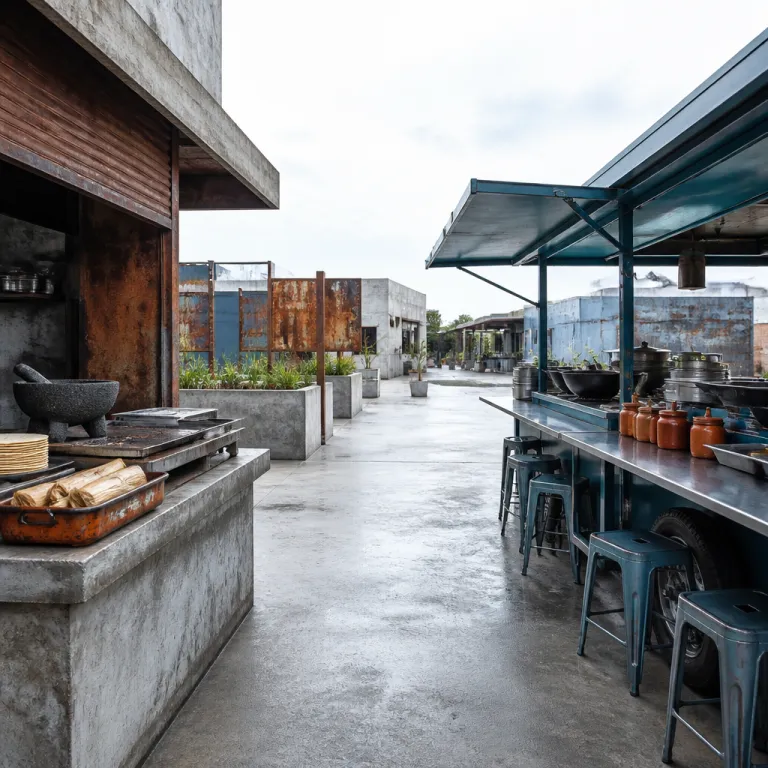
1. Why street food is the most honest way into a city
Street food is where a city stops performing and starts speaking plainly. In any serious guide to food-focused travel in the world’s great cities, the first rule is simple: follow the smoke, the steam and the queue of locals who clearly know more than you. When you eat shoulder to shoulder with office workers, taxi drivers and families, you feel how food, drink and daily routine fuse into one living culture.
For off the beaten path travelers, the pavement often reveals the best parts of a city that polished restaurants never show. You read a place through its grills and pots, not its white tablecloths, and the world suddenly feels smaller and more legible. That is why any meaningful street food guide only makes sense when it stays close to the ground, close to the local vendors who cook what they actually eat themselves.
Across the world, culinary tourism is now one of the top reasons people travel. Industry reports and organizations such as the World Food Travel Association suggest that most travelers feel more excited by street food than by formal restaurants, because the food is local, affordable and rooted in history. The Association’s 2020 “Food Travel Monitor,” for example, reported that roughly two thirds of surveyed leisure travelers considered food and drink experiences a key factor in choosing a destination. When you choose a stall over a dining room, you are choosing a neighborhood story over a curated performance, and that choice is where great journeys begin.
2. How to read a street stall like a seasoned local
Before you order anything, step back and read the stall as if it were a map of the city. In every thoughtful street food handbook to the world’s best eating cities, the same pattern appears: high turnover, a mostly local crowd and visible freshness are your non negotiable signals. Watch how often ingredients move from crate to chopping board, and how often food and drink leave the counter in the hands of impatient regulars.
Look for short menus that focus on one or two special dishes rather than long laminated lists that try to imitate restaurants. A stall that has been making the same food for years usually knows exactly why its neighborhood keeps returning, and that focus is often the best guarantee of quality in busy cities. If you see families with children eating there, and if the grill is wiped, the oil is clear and the chopping boards are regularly rinsed, you have probably found one of the top spots in that part of the world.
When you do not speak the language, let the queue guide you and use your eyes more than your words. Point at what looks amazing, smile, and be ready to eat what arrives rather than what you imagined, because that flexibility is part of eating like a local. For travelers who want to go even deeper into technique and context, immersive culinary experiences such as cooking retreats where the kitchen becomes the destination can sharpen your instincts before you hit the street. In many cities, short market-to-table workshops or half-day street food tours led by local cooks offer a practical way to learn how to order, what to pay and how to recognize regional specialties before exploring on your own.
3. Oaxaca to Mexico City: markets, tlayudas and tacos worth the detour
Oaxaca is where many travelers first understand how a city’s street food can feel like a living museum of flavor. Morning markets here are dense with smoke from charcoal grills, and a good chapter on Mexican street eating will always start among the women pressing tortillas by hand at places like Mercado 20 de Noviembre or Mercado Benito Juárez, because that is where local life gathers. Average meals from stalls cost only a few dollars, yet the food and drink culture carries centuries of history in every folded tlayuda.
Seek out the vendors who specialise in tlayudas cooked over open flame, topped with beans, quesillo and thinly sliced meat, then paired with a small plastic cup of mezcal. These are not polished restaurants, but they are the places where you read the city’s soul, and where you taste why Oaxaca is often ranked among the world’s best food cities. Safety wise, the same rules apply: choose busy spots, watch for clean hands and fresh garnishes, and walk away if the turnover looks slow or the ingredients sit too long in the heat.
In Mexico City, the scale changes but the principles remain the same, and the neighborhoods around Condesa, Roma and Centro Histórico are dense with taco stands that you will not find in any glossy guide. Follow the office workers at lunch to the top al pastor stands, where meat spins in front of open flames and the rhythm of chopping never stops. Expect to pay the equivalent of a dollar or two per taco, depending on the neighborhood and fillings. For travelers interested in how these traditional dishes connect to quieter regions and off the beaten path villages, our deeper piece on savoring traditional dishes beyond the ordinary extends the trail far beyond the capital.
4. Penang and Bangkok: hawker centers and night streets that never sleep
Penang is often cited by food enthusiasts as one of the best cities in the world for street eating, and the numbers support that reputation. Local guides and tourism materials commonly estimate around two thousand active street food vendors across the island, which means any serious list of global hawker destinations must give Penang its own chapter. Hawker centers here function as open air restaurants for the entire city, with families, students and night shift workers sharing tables and trading tips on which stalls are currently cooking at the top of their game.
At Gurney Drive and in the older neighborhoods of George Town, look for char kway teow fried to order in heavy woks, bowls of assam laksa fragrant with tamarind and mackerel, and Hokkien mee rich with prawn stock. When the heat builds, a bowl of cendol layered with shaved ice, coconut milk and palm sugar becomes the most refreshing food and drink combination you will taste all week. Local street food vendors here are culinary artisans who prepare traditional dishes passed down through generations, and their stalls are where Penang’s layered culture becomes edible.
Bangkok plays a different rhythm, with Yaowarat in Chinatown turning into a river of neon and steam every evening. Follow the crowds to the top noodle carts, grilled seafood stalls and mango sticky rice vendors, and you will quickly understand why this city remains a benchmark for night markets across the world. If you want to go beyond the obvious, slip into side streets where you will not find many tourists, and let the sound of sizzling woks and clattering plates guide you deeper into the neighborhood. The MRT and BTS make it easy to reach major food areas such as Victory Monument, Sukhumvit and Ratchada night markets, where you can walk between clusters of stalls without needing a car.
5. Istanbul, London and Osaka: reading culture through snacks, not star ratings
Istanbul sits at the meeting point of continents, and its street food reflects that layered history more clearly than any museum label. Down by the water, grilled fish sandwiches known as balik ekmek are handed over from rocking boats to the quay, while simit sellers thread through the crowd with sesame crusted rings that make a simple but great breakfast. Eating these in view of the Bosphorus, you feel how food and drink here are woven into the daily commute, not reserved for restaurants or special occasions.
In London, the most interesting street food is no longer confined to a single neighborhood, and markets from Borough to Broadway Market now host vendors who represent almost every corner of the world. What matters for the curious traveler is not the trendiness of the crowd, but whether the stall is cooking for local regulars as much as for visitors with cameras. Look for queues of office workers on their lunch break, and for menus that reference specific regions rather than vague global fusion, because that is where culture and craft usually align.
Osaka, often called the kitchen of Japan, offers a different lesson in how a city eats. In districts such as Dotonbori and Shinsekai, takoyaki and okonomiyaki stalls line the streets, and the best ones are surrounded by groups of friends sharing plates and arguing about which stand has the superior batter. Here, as in every serious street food city, you read the unwritten rules by watching how locals order, how they share, and how they linger, and you quickly learn that the top experiences are rarely the ones you planned in advance.
6. Ordering, safety and going off the beaten path with confidence
Ordering when you do not share a language can feel intimidating, but it is also where some of the most memorable encounters begin. In any practical guide to eating at street stalls in major cities, the advice is consistent: use your eyes, your hands and your patience more than your vocabulary. Point at dishes that look appealing, show photos on your phone if you have them, and be ready to accept gentle corrections from locals who know which combinations work best.
For hygiene, the rules are clear and they travel well from city to city. Choose stalls with high turnover, where ingredients move quickly and cooked food does not sit long at room temperature, and where the vendor handles money and food with some separation, even if it is as simple as a cloth between tasks. If your instinct says something feels off, you will not find any shame in walking away, because protecting your health is part of respecting the journey.
As you move deeper into off the beaten path neighborhoods, remember that street food is often the most direct way to support the local economy. Carry small amounts of local currency for cash only vendors, visit popular spots during off peak hours to avoid overwhelming them, and stay open to unfamiliar dishes that might become your new favorites. If you travel with family and want to understand how children can engage with this kind of food culture beyond theme parks and resorts, our piece on rethinking family travel experiences offers a useful counterpoint.
Key figures shaping global street food travel
- Analysts of culinary tourism estimate that food-focused travel could reach around 2.19 trillion US dollars in global market value within the next decade, up from approximately 1.23 trillion US dollars in the mid 2020s, showing how food-led journeys now rival traditional sightseeing in economic impact. These figures are drawn from industry outlooks published by travel and hospitality research firms; always check the latest reports, as projections are regularly updated.
- Research summarized by the World Food Travel Association indicates that roughly two thirds of travelers feel most excited by street food experiences, while around 64 percent say they prefer unique local food moments over classic fine dining when choosing a destination. The Association’s Food Travel Monitor compiles these percentages from multi-country surveys of leisure travelers.
- Penang’s tourism authorities and local guides estimate that the island hosts around two thousand active street food vendors, making it one of the densest concentrations of hawker style cooking in the world relative to its urban area. Exact counts vary by source, but most official and guidebook descriptions agree that the number is in the low thousands.
- In Oaxaca, local travel guides report that an average street food meal can cost around five US dollars, which allows travelers to sample multiple traditional dishes in a single day without exceeding a modest budget. Prices fluctuate with exchange rates and location, so recent market surveys and on-the-ground checks are the best way to confirm current costs.
- Industry commentary shows that hyper local and regional food experiences, such as village markets and hawker centers, now often outperform classic wine centric destinations in traveler enthusiasm, especially among younger independent travelers. These observations are based on trend analyses from tourism boards, booking platforms and specialist food travel organizations rather than on a single data set.
FAQ: practical questions about street food travel
What are must try street foods in Penang ?
What are must-try street foods in Penang? Char Kway Teow, Assam Laksa, Hokkien Mee, Cendol.
Is street food safe to eat in Oaxaca ?
Is street food safe to eat in Oaxaca? Generally safe; choose busy stalls with high turnover.
How can I find the best street food spots ?
How can I find the best street food spots? Consult local food blogs, guides, and apps.
How do I order street food when I do not speak the language ?
Start by watching how locals order, then follow their lead and use gestures, smiles and simple words to communicate, because most vendors are used to serving visitors and will meet you halfway. Point at prepared dishes or ingredients you like, hold up fingers to indicate quantity, and keep small local currency ready so payment is quick and easy. If there is a queue, stand back for a minute to read the rhythm, then step in confidently when you understand how the stall works.
What should I look for to judge hygiene at a street stall ?
Focus on turnover, cleanliness and temperature control rather than on whether the stall looks polished or photogenic. Busy stalls with a constant flow of customers, clear oil, regularly wiped surfaces and ingredients kept shaded or on ice are usually safer than quiet places where food sits untouched. When in doubt, ask local residents or nearby shopkeepers where they eat, because their daily choices are often the most reliable guide you will ever read.