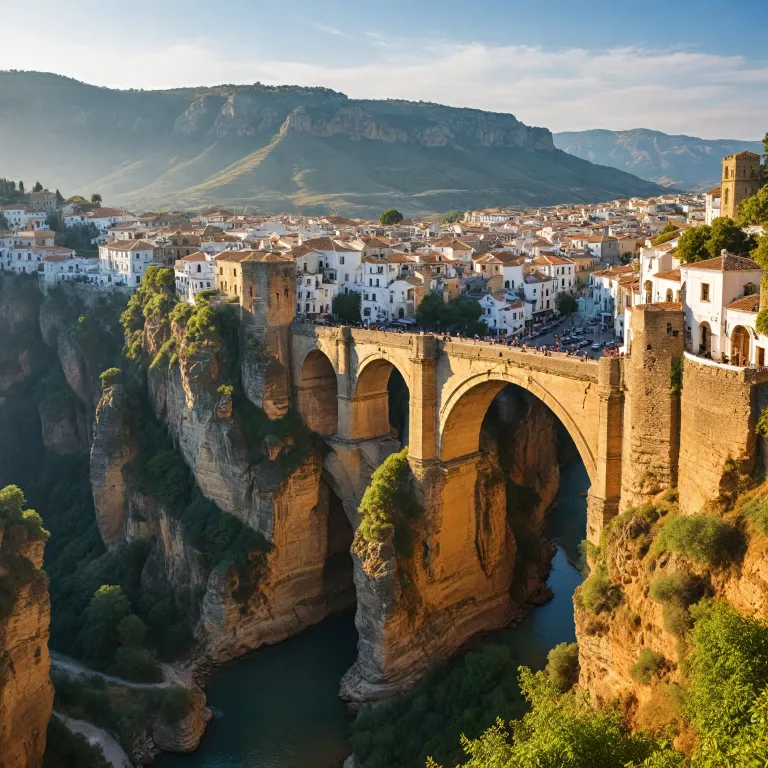
Dramatic Ronda Spain: where the tajo gorge shapes every step
Perched high above the tajo gorge, Ronda Spain feels suspended between earth and sky. The town stretches along sheer cliffs, and every side of the plateau offers different views that reward a slow walk. For travelers seeking hidden gems, this dramatic setting turns even a simple day visit into a layered experience.
The iconic puente nuevo is the obvious landmark, yet the older puente viejo and the smaller puente árabe quietly tell earlier chapters of Ronda. Standing beneath the nuevo bridge, you sense how Domingo Lois de Monteagudo, José Martin de Aldehuela, and Juan Antonio Díaz Machuca shaped stone into a monumental crossing. The structure rises about 105 meters above the del tajo riverbed, and these views rank among the best in southern Spain.
Many travelers focus only on quick photos from the main viewpoint, but the most rewarding things to do in Ronda Spain involve changing your perspective. Follow the path that descends into the tajo gorge, and you will see the puente nuevo and the puente viejo from below, framed by rock and wild vegetation. This walk is steep yet manageable with good shoes, and it reveals why the town became a natural fortress.
On the upper plateau, the alameda del Tajo park offers shaded paths and balconies that hang over the cliffs. Locals use this place for evening strolls, and the atmosphere feels calm despite the dramatic drop. From here, you can plan which side of the gorge to explore next and decide how to structure your day around the top things that matter most to you.
Bridges, jardines de Cuenca, and quiet corners along the cliffs
For many visitors, the best things to do in Ronda Spain start with tracing the line of its bridges. The nuevo bridge dominates postcards, yet the graceful curve of the puente viejo and the modest span of the puente árabe complete the story of how the town grew. Walking between these crossings lets you feel how Ronda stitched both sides of the tajo gorge together over centuries.
Below the main viewpoints, the jardines de Cuenca cascade down terraces along the cliff, facing the puente nuevo. These gardens offer intimate views of the tajo gorge, and each level reveals a slightly different angle on the town and the del tajo river. Because many day trip groups skip this side path, it remains one of the most accessible hidden gems in central Ronda.
From the upper terraces of jardines de Cuenca, you can photograph the nuevo bridge without the usual crowds. The play of light on the stone changes throughout the day, and patient photographers will appreciate how clouds and shadows sculpt the gorge. This is also a peaceful place to pause, listen to the water below, and plan which things Ronda still holds for the afternoon.
Travelers interested in nature and wildlife can pair this urban walk with broader offbeat experiences in Spain. For inspiration on rare species and remote reserves, consult this guide to exceptional wildlife destinations for rare animal encounters. Returning to town after such excursions, the contrast between rugged landscapes and Ronda’s cultivated gardens deepens your appreciation of this cliff top setting.
Historic heart of Ronda: bullring, arab baths, and quiet casas
Beyond the gorge, some of the most meaningful things to do in Ronda Spain unfold in its historic core. The Plaza de Toros bullring, designed by José Martin de Aldehuela, is one of the oldest and most influential arenas in Spain. Even if you do not follow bullfighting, the circular architecture, 66 meter diameter, and museum exhibits provide context for how the town shaped national traditions.
Nearby, the arab baths sit close to the old entrance of Ronda, beside the former river crossing. These remarkably preserved baths show how water, ritual, and social life intertwined on the lower side of the tajo gorge. Visiting both the bullring and the arab baths in one day highlights the layers of Islamic and later Spanish culture that define the town.
Several historic houses deepen this sense of continuity, and they rank among the best things for culturally curious travelers. The casa del Rey Moro combines gardens, legends, and a dramatic staircase carved into the rock that descends toward the del tajo river. The casa museo Don Bosco, often simply called museo Don Bosco, offers quieter views over the gorge from its elegant terrace and tiled courtyard.
To understand how these sites fit into a wider pattern of off the beaten path journeys, look at this overview of wildlife trekking adventures in remote destinations. Returning to Ronda after such treks, the compact scale of the town feels manageable, yet the depth of history remains impressive. Together, these experiences show why things Ronda offers go far beyond a single photo of the puente nuevo.
Old town lanes, maria mayor, and spiritual layers of the city
One of the most rewarding things to do in Ronda Spain is to wander the old town without a rigid plan. Start near the church of Santa María la Mayor, often simply called maria mayor by locals, and let the narrow streets guide your walk. This side of the town preserves a quieter rhythm, especially early in the day before tour groups arrive.
From maria mayor, you can reach viewpoints that frame the puente nuevo and the tajo gorge between whitewashed houses. Small plazas offer shade, and each place reveals another angle on how Ronda balances its dramatic setting with everyday life. Many of these corners qualify as hidden gems, because visitors focused only on the nuevo bridge rarely step this far into the historic fabric.
As you move toward the edge of the plateau, the alameda del Tajo reappears as a green threshold between town and cliff. Locals use this park for family walks, and the atmosphere feels relaxed compared with the busy bridge area. Benches along the balustrade invite you to sit, watch the changing views, and reflect on which top things have mattered most in your visit.
Spiritual and cultural layers intertwine here, from former mosques converted into churches to quiet convents hidden behind plain facades. These sites may not headline lists of best things to do in Ronda Spain, yet they anchor the community’s identity. For travelers interested in meaningful, offbeat experiences, this slower exploration of the old town often becomes the most memorable part of the day.
Off the beaten path: rey moro, del tajo paths, and active adventures
For travelers who value movement and landscape, some of the most compelling things to do in Ronda Spain involve descending toward the del tajo river. The gardens and staircase of the casa del Rey Moro lead you partway down, combining history with a sense of physical immersion in the gorge. From there, paths continue toward the base of the cliffs, where you can look back at the puente nuevo and nuevo bridge from below.
These trails reveal how the tajo gorge once functioned as both barrier and lifeline for the town. You pass irrigation channels, old mills, and rock cut steps that show how residents used every side of the ravine. This walk also offers some of the best views of the puente viejo and the more modest crossings that predate the monumental nuevo bridge.
Active travelers can extend the day with longer routes that loop through the surrounding countryside. Rolling farmland, scattered cortijos, and distant sierras frame Ronda Spain as a hilltop sentinel rather than an isolated town. For ideas on structuring ambitious itineraries that combine culture with physical challenge, consult this guide to epic offbeat adventure activities for a bucket list.
As digital tools evolve, the town increasingly uses maps, audio guides, and even augmented reality to interpret these routes. This innovation supports sustainable tourism by spreading visitors beyond a single viewpoint and encouraging longer stays. Among all the things Ronda offers, these immersive walks into the tajo gorge may provide the clearest sense of how landscape and history shaped each other.
Planning your visit: timing, practical tips, and trusted information
Thoughtful planning turns a simple list of things to do in Ronda Spain into a coherent, satisfying experience. Spring and autumn offer pleasant weather and fewer crowds. Yes, various guided tours are available for major attractions.
Wear comfortable walking shoes due to the hilly terrain and frequent cobblestones. Visit early in the morning to avoid crowds, especially around the puente nuevo and the bullring. Check local schedules for guided visits to sites like the arab baths, casa museo Don Bosco, and the casa del Rey Moro, because opening hours can vary by day.
When organizing your route, alternate between cliff edge viewpoints, interior museums, and shaded parks such as alameda del Tajo. This balance helps you manage heat and fatigue while still covering the top things on your list. Many travelers find that focusing on one side of the tajo gorge in the morning and the opposite side in the afternoon keeps the day structured yet flexible.
Ronda’s tourism office, historical societies, and cultural organizations collaborate to promote responsible visitation that supports the local economy and preserves heritage. Increased use of digital guides and growing interest in sustainable tourism align with the town’s long term goals. As you plan which things Ronda will reveal to you, rely on updated local information and respect restricted areas along the gorge to ensure your visit remains both safe and enriching.
Key statistics about Ronda’s landmarks
- Height of the puente nuevo above the tajo gorge is approximately 105 meters.
- The Plaza de Toros bullring in Ronda has a diameter of about 66 meters.
- The construction duration of the puente nuevo extended over 34 years.
Essential questions about visiting Ronda
What is the best time to visit Ronda?
Spring and autumn offer pleasant weather and fewer crowds.
Are there guided tours available in Ronda?
Yes, various guided tours are available for major attractions.
Is Ronda suitable for family visits?
Yes, Ronda offers attractions suitable for all ages.