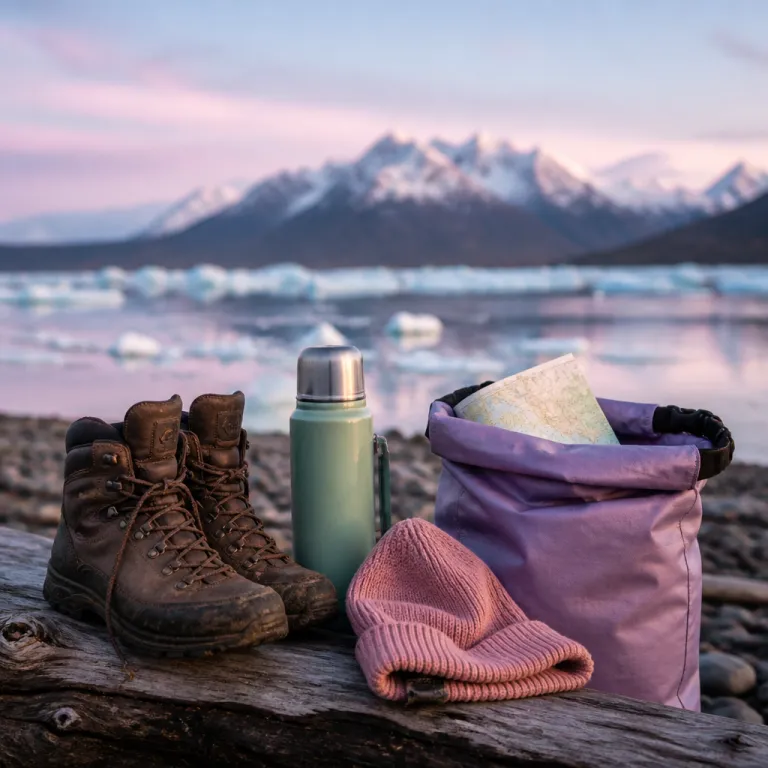
What to do in Ushuaia for your first offbeat day
Ushuaia in Argentina sits between steep mountains and the Beagle Channel. This southern town feels like a frontier outpost, yet it offers some of the best views and wildest experiences on the continent. Planning what to do in Ushuaia on your first day sets the tone for the rest of your trip.
Start your first full day in Ushuaia Argentina with a slow walk along the waterfront, where fishing boats, Antarctica expedition ships, and local tour vessels share the same small harbour. From here you see the contrast between the jagged Martial Glacier above town and the calm channel below, which helps you understand why this place is called fin del mundo by locals. Many visitors rush straight to a day tour, but pausing to feel the wind and watch the changing light over Tierra del Fuego gives you a deeper sense of place.
For a gentle first activity, join a half day city tour that includes the Maritime and Prison Museum, the main museum in town. This museum explains how Ushuaia grew from a remote penal colony in Tierra del Fuego into a hub for Antarctica logistics and eco friendly tourism, which is essential context before you head into the surrounding wilderness. Staff at the Museo Marítimo y del Presidio often highlight current conservation projects, and local park rangers and tour operators now coordinate to reduce pressure on fragile trails and wildlife, according to the Instituto Fueguino de Turismo (INFUETUR, visitor reports 2022–2023).
In the afternoon, walk uphill through quiet residential streets to viewpoints above the town. These short urban hikes are ideal things in Ushuaia for acclimatising to the weather and testing your gear before longer hiking days. You will see how quickly the terrain shifts from colourful houses to lenga forest, which hints at the more demanding hiking routes waiting in the national park and beyond; allow roughly 20 to 30 minutes from the waterfront to reach the first panoramic miradores on foot.
Exploring Tierra del Fuego National Park beyond the usual routes
Tierra del Fuego National Park lies only about 12 kilometres from Ushuaia, yet it feels far removed from town life. Many visitors choose a quick half day tour, but hikers who want off the beaten path experiences should plan at least one full day inside the park. When you think about what to do in Ushuaia over several days, give this park more time than standard itineraries suggest.
Most buses and tours stop at the same viewpoints, so ask local guides about less crowded trails in the Fuego national reserve zones. The Senda Costera coastal path, for example, follows the Beagle Channel shoreline and offers constant views of islands, forests, and distant Chilean peaks. If you extend this hike into a longer loop, you quickly leave the day tour crowds behind and share the trail mainly with serious hikers and the occasional national park ranger; typical walking times range from three to five hours depending on pace and weather.
For a deeper immersion, combine several shorter trails into one long hiking day in the del Fuego landscape. Start near Ensenada Bay, continue along the coast, then cut inland through peat bogs and lenga woods toward Lapataia Bay, where the road famously ends at the sign for fin del mundo. This route shows how Tierra del Fuego shifts from marine to subantarctic forest ecosystems within a few kilometres, which is why conservationists emphasise staying on marked paths and following park regulations closely, including carrying out all rubbish and avoiding shortcuts across fragile peat.
Travelers who enjoy remote hiking expeditions often appreciate these lesser used paths in Tierra del Fuego National Park. If that kind of solitude appeals to you, speak directly with local guides rather than booking only through large agencies, because they know which trails are currently less impacted by cruise ship day Ushuaia excursions. A local guide from Ushuaia might tell you, “If you start early and avoid the main bus stops, you can walk for hours and only meet foxes and geese,” which captures the park’s quieter side; expect shuttle buses from town to the park entrance to take around 30 minutes each way.
Beagle Channel and Martillo Island for wild seascapes and penguins
The Beagle Channel defines much of the character of Ushuaia, Argentina, and any serious list of what to do in Ushuaia must include time on the water. This narrow channel separates the main island of Tierra del Fuego from smaller islands and feels like a corridor between the Andes and Antarctica. Even on a calm day, the mix of wind, light, and sea birds creates a sense of constant movement.
Standard navigation trips follow a similar route, but you can still find quieter experiences by choosing smaller boats and longer itineraries. A classic full day Beagle Channel trip might include Les Éclaireurs Lighthouse, sea lion colonies, and a landing on Martillo Island to see Magellanic penguins at close range. Local tourism authorities confirm that “Yes, Magellanic penguins can be seen on Martillo Island,” and licensed operators such as Piratour or Canoero Catamarán typically run these regulated excursions, which often last between six and eight hours including transfers from central Ushuaia.
For travelers who love remote coastal hikes, the interplay of mountains and sea here feels familiar yet more dramatic. Some operators combine a half day navigation on the Beagle Channel with a guided hiking section on nearby islands, which lets you experience both marine wildlife and the fragile tundra like vegetation in a single day. These hybrid tours often attract fewer people than the classic bus and boat combinations, which suits off the beaten path travelers and usually requires booking at least one or two days in advance during the high season.
When comparing different Beagle Channel tours, ask detailed questions about group size, landing permissions, and time spent ashore on Martillo Island or other stops. Shorter trips can feel rushed, while a longer day tour allows more time for photography, bird watching, and quiet observation of the changing weather. If you enjoy reading about hidden coastal trails elsewhere, you will likely appreciate the slower, more contemplative pace of these extended channel journeys; prices vary widely, so check what is included before paying a deposit at the pier.
Laguna Esmeralda and Martial Glacier for off the beaten path hiking
For many hikers, the most rewarding things in Ushuaia involve leaving the road behind and following narrow paths into the mountains. Two classic options close to town, Laguna Esmeralda and Martial Glacier, offer very different but complementary experiences. Both can be done as a day tour or self guided trip, depending on your comfort with navigation and changing weather.
The trail to Laguna Esmeralda begins about 20 kilometres from Ushuaia and crosses peat bogs, streams, and low forest before reaching a glacial lake of striking turquoise colour. On a clear day, the surrounding peaks reflect in the water, creating some of the best views near Ushuaia Argentina without requiring technical climbing skills. Because this route has become popular, start early in the day or choose shoulder seasons to enjoy quieter moments along the shore; shared transfers from town typically take 30 to 40 minutes to reach the trailhead parking area.
Martial Glacier sits directly above town and can be reached by a combination of road and trail, making it ideal for a flexible half day outing. From the upper trailhead, a well marked path climbs through alpine terrain toward the glacier viewpoint, where you see the Beagle Channel, the islands of Tierra del Fuego, and the entire town spread below. If you extend your hike beyond the main lookout, you quickly leave most visitors behind and enter more rugged ground that demands good footwear and awareness of weather shifts, especially when snow lingers outside the core summer months.
Hikers who enjoy exploring lesser known routes often appreciate the sense of gradual revelation on these Ushuaia trails. Each bend reveals a new angle on the surrounding mountains, forests, and waterways, which keeps even a familiar path engaging over multiple days. When planning what to do in Ushuaia across several days, alternate demanding hiking days with easier walks or museum visits to avoid fatigue and reduce your impact on sensitive alpine environments by giving trampled sections time to recover.
Seafood, local life, and offbeat corners of town
After long hiking days in the mountains or the national park, returning to town becomes part of the experience of Ushuaia, Argentina. The compact centre stretches along the waterfront, but some of the most interesting corners lie a few streets uphill. Exploring these neighbourhoods on foot is one of the simplest yet most revealing things in Ushuaia.
Food plays a central role in understanding local life, and king crab from the cold waters near Tierra del Fuego is the signature dish. Many restaurants specialise in this seafood, but you can also find smaller family run places where locals gather for long meals after work. Popular spots such as La Cantina de Freddy or El Viejo Marino are often recommended by residents, and when choosing where to eat, look for menus that highlight seasonal products and sustainable fishing practices, because these support the same ecosystems you admire on your day tours; most dining rooms cluster along Avenida Maipú and San Martín within easy walking distance of the port.
Accommodation options range from simple guesthouses to full service hotel properties with views over the Beagle Channel and the surrounding mountains. For off the beaten path travelers, staying slightly away from the busiest streets often means quieter nights and easier access to local shops and bakeries. Ask your hotel staff about current events, small museums, or community markets, because these change through the year and rarely appear in standard brochures, and note that peak summer dates can sell out weeks in advance.
To see another side of town, walk toward the industrial port area or the less polished outskirts, where you notice how residents adapt to harsh winters and strong winds. These walks are safe during the day, and local tourism authorities state that “Yes, it's generally safe with standard precautions.” Observing everyday life in these areas adds context to the more polished image presented in central streets and helps you appreciate the resilience required to live at the edge of the continent, especially when you see snow fences, stacked firewood, and brightly painted houses built to withstand storms.
Planning multi day trips from Ushuaia to the wider fin del mundo
Once you have explored the main things in Ushuaia itself, consider extending your stay with multi day trips into the wider fin del mundo region. The surrounding landscapes of Tierra del Fuego offer remote estancias, windswept coasts, and historic sites linked to early navigation and indigenous cultures. These journeys require more logistics than a simple day tour, but they reward travelers who value solitude and depth.
One compelling route follows the coast toward Cabo San Pablo and the nearby lighthouse, where a rusting shipwreck lies stranded on a lonely beach. Reaching this area usually involves a full day or multi day trip by road, often combined with visits to traditional estancias that still operate as working ranches. Spending one or two days out here shows a very different side of Ushuaia Argentina, far from cruise ship schedules and busy harbour traffic, and road conditions can vary, so check with local agencies about current travel times and fuel stops.
Another option is to travel toward Cabo San Vicente or other remote headlands, where you can walk along cliffs with uninterrupted views toward Antarctica on clear days. These coastal hikes feel more exposed than trails in the national park, so they demand careful attention to weather forecasts and guidance from experienced local guides. When planning what to do in Ushuaia over a week or more, weaving in one of these remote coastal excursions balances your time between mountains, forests, and open sea while spreading your spending beyond the main urban centre.
For travelers arriving from Buenos Aires or other major cities, these offbeat routes highlight just how different the pace of life becomes at the southern tip of the continent. Multi day itineraries also allow you to support smaller communities and family run operations beyond the main town. By choosing guided hiking days, responsible wildlife watching, and low impact stays, you contribute to the long term sustainability of tourism in this fragile corner of del mundo, which local authorities and conservation groups increasingly emphasise in their public reports.
Key figures and practical statistics for Ushuaia explorers
- Ushuaia receives around 300,000 visitors per year according to the local tourism board (Instituto Fueguino de Turismo, 2023, consolidated statistics), which is modest compared with major Patagonian hubs and helps maintain a relatively low crowd level on many hiking trails.
- The average summer temperature in Ushuaia is about 10 °C based on regional weather data from the Servicio Meteorológico Nacional of Argentina, so hikers should dress in layers even on clear days and carry windproof outerwear for exposed sections near Martial Glacier or the Beagle Channel.
- Tourism authorities highlight that summer offers the widest range of activities, including hiking, navigation tours, and some Antarctica departures, while winter focuses more on skiing and snowboarding in nearby resorts such as Cerro Castor, which usually operates from roughly June to September depending on snowfall.
- Most key hiking trailheads, such as Laguna Esmeralda and Tierra del Fuego National Park, lie within roughly 20 to 25 kilometres of town, according to INFUETUR maps and local bus schedules, which makes them accessible as half day or full day outings without changing accommodation.
- Visitor numbers have risen steadily alongside increased cruise ship arrivals, so booking popular day tours and navigation trips several days in advance is recommended during peak months to secure smaller group options and preferred departure times.
FAQ about what to do in Ushuaia
What is the best time of year to visit Ushuaia for hiking ?
The most suitable period for hiking in Ushuaia is the southern summer, when temperatures average around 10 °C and trails such as Laguna Esmeralda and Martial Glacier are generally free of deep snow. During these months, daylight hours are long, which allows flexible planning for full day hikes and Beagle Channel trips. Shoulder seasons can offer quieter paths but require more caution regarding weather and trail conditions, and some services may run on reduced schedules.
Are there penguin tours from Ushuaia, and where can I see them ?
Yes, several operators in Ushuaia run navigation tours along the Beagle Channel that include landings on Martillo Island, where colonies of Magellanic penguins nest. These excursions are usually organised as half day or full day trips, often combined with visits to sea lion colonies and lighthouses. Because wildlife access is regulated, it is important to book with licensed companies that follow guidelines set by local authorities and park rangers, and to reserve early in high season because daily visitor quotas are limited.
Is Ushuaia safe for independent travelers who want to hike ?
Ushuaia is generally considered safe for tourists, and local information confirms that “Yes, it's generally safe with standard precautions.” In town, standard urban awareness is sufficient, while on trails you should focus more on weather, navigation, and respecting park regulations. Solo hikers are common on popular routes, but for remote areas of Tierra del Fuego it is wise to hire local guides or join small groups and leave your planned route and return time with your accommodation.
How many days should I plan to experience the main things in Ushuaia ?
A balanced itinerary usually includes at least three to five days in Ushuaia, Argentina, which allows time for a Beagle Channel navigation, one or two hiking days, and a visit to Tierra del Fuego National Park. Travelers interested in off the beaten path routes, multi day trips to Cabo San Pablo, or extended Antarctica cruises often stay a week or more. Extra days also provide flexibility for weather changes, which are frequent in this subantarctic region and can temporarily close certain trails or delay boat departures.
Do I need a guide for trails like Laguna Esmeralda and Martial Glacier ?
Many experienced hikers walk to Laguna Esmeralda and the main Martial Glacier viewpoint without guides, because the primary paths are well marked and close to town. However, weather can change quickly, and less frequented extensions of these routes demand better navigation skills and local knowledge. If you are unsure about conditions or want to explore beyond the standard viewpoints, hiring a local guide or joining a small hiking tour adds both safety and richer interpretation of the landscape, often including stories about indigenous history and recent conservation efforts.