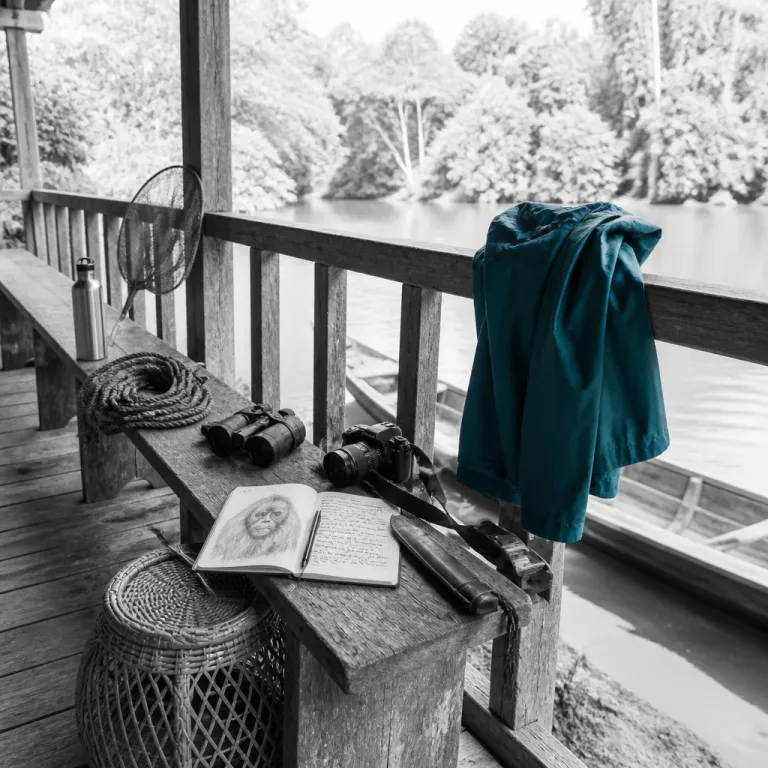
Borneo travel guide to a rainforest wildlife adventure for families
Borneo is the third largest island on Earth and a place where rainforest still feels endless. This Borneo travel guide rainforest wildlife adventure focuses on families who want immersion rather than another beach resort, and who are ready for hot humid days, river journeys, and early starts. One of the oldest and most biodiverse ecosystems, Borneo's rainforest age is estimated at around 130 million years, which means every day trip into the trees becomes a lesson in deep time for children and adults alike.
The island is shared by Malaysian Borneo in Sabah and Sarawak, Indonesian Kalimantan to the south, and the small state of Brunei on the northern coast. Malaysian Borneo works best for a first Borneo travel guide rainforest wildlife adventure because infrastructure is reliable, national park access is straightforward, and arrival transfer logistics from Kuala Lumpur or Singapore are simple for a small group or a multi generational family. Kalimantan offers more remote river journeys and fewer visitors, while Brunei adds manicured mosques and protected forest reserves that contrast sharply with the rest of the island.
For families, the appeal lies in how close borneo wildlife comes to your everyday routine, from breakfast on a veranda while hornbills pass overhead to night walks where children quietly count glowing fungi. A well planned trip will balance river time, rainforest trekking, and rest days at a comfortable rainforest lodge so younger travelers do not burn out. When you book trip elements, look for operators who cap group sizes, clearly state what is included or offered as a supplement, and explain how your stay supports conservation rather than simply using the borneo rainforest as a backdrop.
Sabah, Sarawak, Kalimantan, Brunei: four doors into the interior
Sabah, at the northern tip of borneo, is the most popular entry point for a Borneo travel guide rainforest wildlife adventure because flights into Kota Kinabalu are frequent and connections to Sandakan, Lahad Datu, and Tawau are efficient. From Kota Kinabalu, families can reach Kinabalu National Park in under two hours, then continue on to the east coast for the Kinabatangan River and the Danum Valley without complicated overland detours. Sarawak, anchored by Kuching, offers a slower rhythm, with coastal mangroves, national park islands, and upriver Iban longhouses that suit travelers who prefer culture woven into their wildlife experiences.
Indonesian Kalimantan covers most of borneo's landmass and remains far less visited, which means a small group trip here feels genuinely exploratory rather than curated. River journeys in Kalimantan often use simple lodges and local boats, and the focus is on long rainforest days, wildlife encounters, and village stays rather than polished amenities. Brunei, by contrast, offers a compact taste of the borneo rainforest through its Ulu Temburong National Park, where canopy walkways and guided trails provide a controlled yet impressive introduction to primary forest for families with younger children.
Whichever region you choose, work with a guide who understands both wildlife and community dynamics, not just logistics. The best Borneo travel guide rainforest wildlife adventure itineraries use licensed local guides, such as Iban Guides in Sarawak, who can interpret bird species, explain bear conservation projects, and translate conversations in longhouses. For more ideas on structuring wildlife trekking adventures across different regions, the in depth piece on wildlife trekking adventures in off the beaten path destinations offers useful parallels that you can adapt to borneo.
Orangutans, river safaris, and the ethics of borneo wildlife encounters
Orangutans are the emotional heart of any Borneo travel guide rainforest wildlife adventure, and seeing them in the wild can shape a child's understanding of conservation for life. At Sepilok Orangutan Rehabilitation Centre in Sabah, structured feedings allow visitors to observe semi wild orangutans from raised boardwalks, while the nearby Bornean Sun Bear Conservation Centre introduces the smaller sun bear and explains ongoing bear conservation work. The official explanation that "What challenges do orangutans face?" is answered simply as "Habitat loss due to deforestation" should frame every wildlife encounter you plan.
For more natural settings, combine a stay near Sepilok orangutan facilities with a multi night Kinabatangan River safari, where proboscis monkeys, pygmy elephants, and countless bird species patrol the riverbanks at dawn and dusk. A typical day trip on the Kinabatangan River might start with a pre sunrise boat outing, return for breakfast at your lodge, then continue with a late afternoon cruise and an optional night walk, often offered as a modest supplement. Families should choose a rainforest lodge that limits each boat to a small group, keeps noise low, and uses experienced spotters who understand how close is too close when pygmy elephants or crocodiles appear.
Further south, the Danum Valley in Sabah offers one of the most intact stretches of borneo rainforest, with canopy walkways, research stations, and trails where orangutans, gibbons, and clouded leopards still roam. Staying at a lodge in the Danum Valley is not inexpensive, and single supplement charges can be significant, but the quality of guiding and the depth of interpretation justify the cost for many families. For a different perspective on immersive nature trips that balance exertion and reflection, look at the approach taken in the article on immersive monarch butterfly biosphere reserve tours, then apply that same mindset to your time in danum.
Longhouses, rainforest valleys, and life along the river
Beyond wildlife, borneo's interior is defined by the people who have navigated its rivers and valleys for generations, and any serious Borneo travel guide rainforest wildlife adventure should include time in an indigenous community. In Sarawak, the Iban people live in elongated river longhouses, where multiple families share a single raised structure that stretches along the bank like a wooden street. The answer to "Who are the Iban people?" is succinctly given as "Indigenous group in Borneo known for river longhouses" and that identity remains visible in daily rituals, weaving, and communal meals.
A respectful visit usually involves a boat journey upriver, an arrival transfer by longboat to the longhouse jetty, and a welcome by the tuai rumah, or headman, who will introduce your group to the community. Families often sleep in simple guest rooms along the same single corridor as Iban families, with breakfast and dinner included and any extra activities, such as guided forest walks or fishing trips, offered as a supplement that directly supports the host community. Travel writers like Redmond O'Hanlon, who joined an expedition into borneo's interior with poet James Fenton, the Sunday Times, and Oxford University, have long highlighted how river travel and jungle trekking reveal a different pace of life far from the coast.
In Sabah's interior, valleys such as those around Tambunan and the Crocker Range offer homestays and small lodges where Dusun and Murut communities farm terraced hillsides and guide visitors along forest trails. These stays rarely appear in a standard Borneo travel guide rainforest wildlife adventure brochure, yet they can be the most memorable nights of a trip, especially for children who are curious about how other families live. For travelers who enjoy pairing nature immersion with thoughtful local experiences, the curated ideas in this guide to exceptional things to do near a major state park offer a useful template for planning similarly layered days in borneo's valleys.
Kinabalu, Sipadan, and planning a family friendly rainforest itinerary
Mount Kinabalu rises above Kota Kinabalu as Southeast Asia's highest peak, and Kinabalu National Park protects a cloud forest ecosystem where orchids, pitcher plants, and rare bird species thrive. Many families choose to stay at a lodge near the park entrance, taking guided day hikes rather than attempting the full summit climb, which can be demanding for younger children in hot humid conditions. A well structured Borneo travel guide rainforest wildlife adventure will often start here, allowing everyone to acclimatize before heading deeper into the interior.
From the mountains, itineraries often continue to the coast for marine life that rivals the drama of the rainforest, with Sipadan Island frequently ranked among the world's best dive sites. Access to Sipadan is tightly controlled through a daily permit system, so you should book trip dates early and be prepared for a single day trip to the island itself, supplemented by dives or snorkelling around nearby Mabul and Kapalai. For non divers or younger children, many coastal lodges offer reef flats, calm shallows, and boat excursions where turtles, reef sharks, and schooling fish provide a different kind of wildlife spectacle.
Across borneo, packing lists should prioritize lightweight long sleeves, leech socks for rainforest trails, and dry bags for river journeys, along with insect repellent and respect for local customs, as any good guide will remind you. Families should be ready for hot humid weather, flexible about early starts, and realistic about the need for downtime between intense wildlife days in places like the Kinabatangan River or Danum Valley. When you click through operator websites, read the fine print on what is included, how single supplement fees are handled, and whether your stay supports orangutan sanctuary work, sun bear rehabilitation, or broader rainforest protection rather than simply marketing borneo wildlife as a backdrop.
Conservation, palm oil, and how your trip can help the rainforest
No honest Borneo travel guide rainforest wildlife adventure can ignore the reality that deforestation and palm oil plantations have reshaped large parts of the island. The stark statement that "Deforestation" sits alongside "Conservation efforts" and "Eco tourism" in any serious discussion of borneo is not abstract, because travelers will see logged hillsides and plantation grids from plane windows and riverboats. Orangutan population decline has been estimated at around 30 percent in recent decades, which makes every ethical wildlife encounter and every night spent in a conservation minded rainforest lodge more than a holiday choice.
Thoughtful tourism can support national park budgets, fund ranger patrols, and create economic alternatives to logging for communities living along the river and in the valley. When you book trip components, prioritize operators who employ local guides, contribute to orangutan sanctuary programs, and participate in bear conservation or sun bear rehabilitation projects rather than simply offering photo opportunities with borneo wildlife. Small group departures generally have a lighter footprint than large coaches, and they allow guides to adjust routes when pygmy elephants appear on the Kinabatangan River bank or when proboscis monkeys gather in unexpected numbers.
Families can also use a Borneo travel guide rainforest wildlife adventure as a living classroom, talking with children about why "Prepare for humid conditions", "Use insect repellent", and "Respect local customs" are not just practical tips but part of traveling responsibly. Encourage older children to read about earlier expeditions into borneo's interior, such as the journey toward the Batu Tiban mountains that blended river travel, jungle trekking, and wildlife study, then compare those accounts with their own experiences. When a trip ends with a final breakfast overlooking the forest and an unhurried arrival transfer back to Kota Kinabalu or Kuching, many families find that borneo has quietly reset how they think about nature, comfort, and what it means to travel well.
FAQ: planning a borneo rainforest family adventure
How significant is borneo's rainforest for global biodiversity ?
Borneo's rainforest is considered one of the oldest and most biodiverse ecosystems on the planet, with an estimated age of around 130 million years. This long uninterrupted evolution has produced exceptional levels of endemism in plants, mammals, and bird species, which is why conservationists view the borneo rainforest as globally important. Visiting responsibly, especially in protected areas like Danum Valley or Kinabalu National Park, helps channel funds toward preserving this irreplaceable habitat.
What is the best region of borneo for a first time family trip ?
Malaysian Borneo, specifically Sabah and Sarawak, works best for most first time family itineraries because infrastructure is reliable and logistics are straightforward. Sabah combines Kota Kinabalu, Kinabalu National Park, the Kinabatangan River, and Danum Valley, which together offer a strong mix of rainforest, river wildlife, and comfortable lodges. Sarawak adds Iban longhouses, coastal national park islands, and relaxed riverside cities, making it ideal for families who want culture alongside wildlife.
How can I see orangutans ethically in borneo ?
Ethical orangutan encounters in borneo focus on either well managed rehabilitation centers or carefully guided treks in protected forest. In Sabah, Sepilok orangutan facilities and nearby orangutan sanctuary projects allow close viewing while supporting long term rehabilitation and release programs. In places like Danum Valley or certain parts of Kalimantan, experienced guides lead small group walks where any wild orangutan sightings happen at a respectful distance without baiting or crowding.
Is borneo suitable for children and multi generational families ?
Borneo can be very rewarding for children and multi generational families if itineraries are paced carefully and expectations match the hot humid conditions. Choosing lodges with flexible meal times, clear information on what is included, and options for shorter day trip activities helps keep everyone comfortable. Many families find that river safaris on the Kinabatangan River, gentle trails in Kinabalu National Park, and cultural stays in longhouses create stories that children will retell for years.
How can my trip support conservation rather than harm it ?
Your choices of operator, lodge, and activities directly influence conservation outcomes in borneo. Look for businesses that employ local guides, contribute to national park fees, support bear conservation or sun bear rehabilitation, and limit group sizes on river and rainforest excursions. Avoid operators that promote close contact with wildlife, off trail driving, or staged cultural performances, and instead favor those that explain how tourism revenue helps protect forest corridors and community livelihoods.
References
PBS, Geography Worlds, Sabah Parks