Understanding the reality behind “omo tribe africa”
Many travellers search for “omo tribe africa” as if it described a single community. In reality, the lower Omo Valley in southern Ethiopia is home to at least 16 distinct tribes, each with its own language, dress, ceremony, and relationship to the land. Any responsible journey here starts by recognising that you will meet many different peoples rather than one generic tribe.
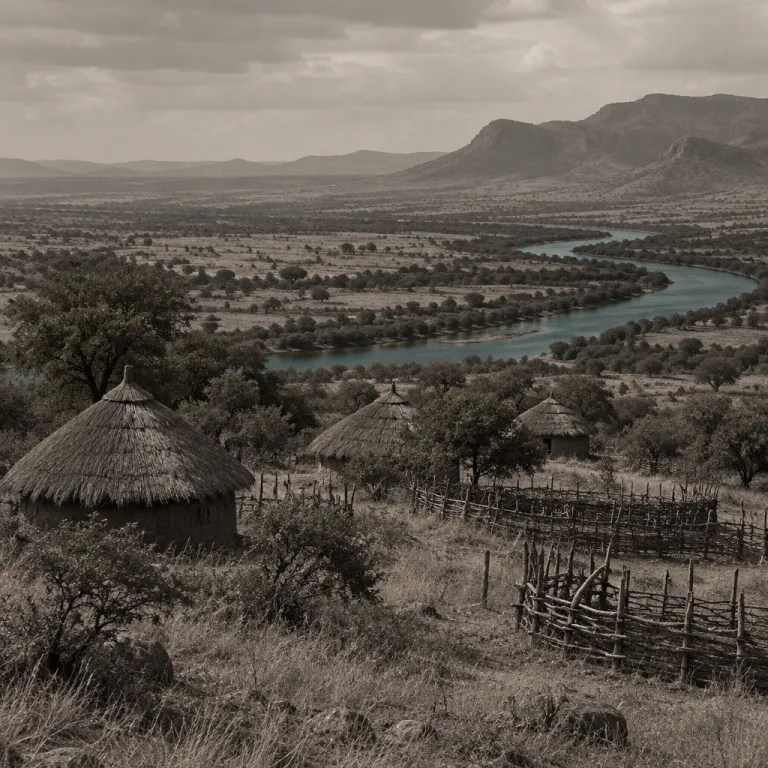
The Omo Valley stretches across a remote corner of southwest Ethiopia, framed by dry hills, acacia scrub, and the broad Omo River that feeds floodplain fields. Around 200,000 people live in this lower Omo region, including the Mursi, Hamar, Dassanech, Nyangatom, and Suri peoples, whose livelihoods blend pastoralism, flood-retreat farming, and seasonal movement with cattle. These Indigenous communities have shaped this valley for centuries, long before tourism routes began to trace the river’s bends.
When travellers speak about the “omo tribe africa” experience, they usually mean visiting several villages over a few days with a local guide. You might spend a morning in a Hamar village, an afternoon with Nyangatom men and women near the river, and another day driving towards the territories of the Suri people in the more isolated western highlands. Each stop offers a different people image in your memory, and each tribe will challenge any idea that the Omo Valley is culturally uniform.
Ethical encounters with tribal people in the lower Omo
Responsible travel in the Omo Valley hinges on how you approach each village and each person. The lower Omo is a remote, arid ecosystem where tribal people rely on cattle, goats, and the Omo River’s seasonal floods, and tourism is only one small part of their economy. When you visit, your behaviour can either support dignity or reduce people to an image on a camera screen.
Photography is the most sensitive point, because many visitors arrive with a mental picture of a Mursi woman with a lip plate or a group of Hamar women with ochre braids. Paying small fees for each people image has become common, yet it can turn encounters into rushed transactions where a young woman or man poses repeatedly without conversation. Ethical guides encourage you to speak first, ask permission, agree a fair fee in advance, and understand why lip plates, beadwork, or body painting matter before you raise a lens.
Economic change is accelerating here, especially since the Gibe III dam on the Omo River altered flood patterns that once nourished riverside fields. Conservation and development projects, from the Gibe III dam to nearby national park expansions, have reshaped access to grazing land and water. For travellers who care about whether their presence helps or harms, it is worth reading nuanced analyses of when conservation travel actually helps communities and when it becomes a story you buy to feel better, such as the discussion in this piece on ethical conservation travel.
Ceremony, body painting, and the rhythm of Omo Valley life
Rituals in the Omo Valley are not staged shows for visitors; they are milestones in the lives of young men and women. Among the Hamar tribe, the famous bull jumping ceremony marks a man’s passage into adulthood, and families may travel many kilometres across southern Ethiopia to attend. If you visit during a jumping ceremony, expect long hours of waiting, intense emotion, and a complex web of obligations that extend far beyond the brief moment when the bulls run.
Body painting is another striking feature of life among several tribes, especially the Suri people and some Nyangatom and Mursi people. Men and women use white clay, charcoal, and crushed minerals to create patterns that reference cattle markings, river currents, or clan identity, and these designs shift with mood and occasion. For visitors searching online for “omo tribe africa” images, these painted faces and torsos often define the region, yet on the ground they are only one expression of a wider aesthetic world that includes scarification, beadwork, and elaborate hairstyles.
Not every ceremony is dramatic like bull jumping; many are intimate, such as rainmaking rituals or blessings for a newborn in a village compound. Children watch closely as older men chant or as an elder woman prepares gourds of milk and sorghum beer, learning their place in the tribe through repetition. If you travel with children yourself, it is worth reflecting on how unstructured cultural encounters like these can shape them more deeply than any playground, a theme explored in this article on what family travel often gets wrong about children’s experiences.
Women, men, and changing roles along the Omo River
Gender roles in the Omo Valley are highly visible, yet they are not static. A Mursi woman balancing a heavy water gourd, Hamar women tending sorghum fields, or Nyangatom men herding cattle across the riverbank all embody specific responsibilities that keep each village functioning. At the same time, cash from tourism, wage labour linked to the Gibe III dam, and shifting access to land are slowly altering how young men and women imagine their futures.
The most photographed symbol of gendered identity here is the lip plate worn by some Mursi women and Suri women. These lip plates, inserted into a pierced lower lip and gradually stretched, have become an emblem of “omo tribe africa” in global media, yet not every Mursi woman or Suri woman chooses to wear one today. Some young women prefer smaller ornaments or none at all, while others embrace large lip plates as a statement of beauty, resilience, and continuity with their mothers and grandmothers.
Men’s identities are equally bound to cattle, scarification, and success in events like the bull jumping ceremony. A young man who completes bull jumping among the Hamar tribe gains the right to marry and to own his own herd, while failure can carry social consequences that echo for years. Across the lower Omo, both men and women are negotiating how to maintain tribal people traditions while engaging with schools, markets, and the cash economy that now reaches even remote bends of the Omo River.
Planning an off the beaten path journey to southern Ethiopia
Reaching the Omo Valley is logistically demanding, which is part of why it remains an off the beaten path destination. Most travellers fly into Addis Ababa, then continue by road towards towns like Jinka, Turmi, or Omorate, which serve as gateways to different tribes and to the lower Omo landscapes. Distances are long, road conditions vary, and you will pass multiple checkpoints and markets along the way.
Hiring a qualified local guide and driver is essential, both for safety and for cultural mediation with tribal people. Guides from southwest Ethiopia understand which village is comfortable receiving guests that day, how to approach elders respectfully, and when ceremonies such as bull jumping might be taking place. They also help you navigate permits for nearby protected areas, since some routes pass close to a national park or to zones affected by the Gibe III dam and related irrigation schemes.
Accommodation standards vary widely, from simple guesthouses in small towns to more comfortable lodges near key river crossings. This is not a region for travellers who need polished amenities every night, yet the reward is access to communities and landscapes that remain largely absent from mainstream itineraries. If you enjoy cities with layered histories as well as remote valleys, you might balance an Omo River journey with time in lesser known urban destinations, such as the Greek city highlighted in this guide to Athens alternatives for curious travellers.
Respect, representation, and what your images mean
Every photograph you take in the Omo Valley carries weight, because it shapes how distant audiences imagine “omo tribe africa”. A single people image of a lip plate or dramatic body painting can reinforce stereotypes if it is stripped of context, yet the same image can educate when paired with accurate information about the person’s life. Before you press the shutter, ask yourself whether the woman or man in front of you is being portrayed as a full human being or as an exotic symbol.
Consent is more than a nod in exchange for a few birr; it involves explaining how and where an image might be used, especially when photographing young children. Many travellers now choose to limit close ups of a Mursi woman with a lip plate or of Hamar women dancing, instead focusing on wider scenes that show work, play, and the broader village environment. This shift reflects a growing awareness that tribal people are not props, and that repeated demands for lip plates or painted faces can pressure women and men into performing identities they might not otherwise emphasise daily.
There is also the question of how your images intersect with larger forces like land loss, climate stress, and the impacts of the Gibe III dam on the Omo River’s flow. Tourism income can help some families pay school fees or buy grain in a bad season, yet it cannot replace the fertile silt once deposited by predictable floods. As one local explanation often shared with visitors puts it, “Are ‘Omo tribe’ a single tribe? No; many distinct peoples live in Omo Valley”, and each of these tribes experiences change differently, which your camera can either flatten or respectfully reflect.
Community stories at risk in a changing valley
The deepest subject for travellers drawn to “omo tribe africa” is not body painting or lip plates, but how communities narrate their own futures. In the lower Omo, elders remember a time when the Omo River’s floods were more predictable, when grazing routes were longer, and when few outsiders arrived in four wheel drives. Younger men and women, by contrast, speak about school, mobile phones, and the possibility of work linked to new roads, farms, or tourism ventures.
Each tribe in southern Ethiopia faces distinct pressures, from land leases to commercial agriculture to the expansion of a nearby national park. Nyangatom herders may find traditional pastures fenced, while Dassanech fishing families in the delta adjust to altered river levels and changing fish stocks. Suri people in the western highlands negotiate both conservation boundaries and interest from photographers seeking dramatic body painting and lip plates, and Mursi people weigh the benefits and costs of living near protected areas and new infrastructure.
For travellers, listening carefully to these community stories is the most meaningful way to engage with tribal people. Ask how a village sees its future, what ceremonies they fear losing, and which aspects of life they hope their children will keep, whether that is bull jumping, rain rituals, or specific cattle breeds. By treating each man, woman, and child as a narrator rather than a subject, you honour the complexity behind the phrase “omo tribe africa” and help ensure that the next generation’s stories are still told along the banks of the Omo River.
Key figures about the Omo Valley and its tribes
- Around 200,000 people from multiple tribes live in the lower Omo region of southwest Ethiopia, according to regional demographic estimates from Ethiopian census data and anthropological surveys, which underscores how diverse the area is behind the single search term “omo tribe africa”.
- Researchers identify roughly 16 distinct ethnic groups in the South Omo Zone, based on ethnographic work by scholars such as David Turton and Jon Abbink, meaning that any reference to an “Omo tribe” actually refers to a mosaic of at least sixteen communities with different languages and customs.
- The coordinates of the core lower Omo Valley fall roughly between 5 and 7 degrees north and 36 and 37 degrees east, as mapped in UNESCO World Heritage documentation, placing these communities in a semi-arid corridor that is highly sensitive to changes in river flow and rainfall.
- The Gibe III dam on the Omo River has significantly reduced the natural flood pulses that supported flood-retreat farming, a pattern documented in environmental impact assessments and follow-up studies, increasing reliance on rainfed fields and external food support in some villages.
FAQ about the Omo Valley tribes and travel
Are the Omo tribes one single group or many different peoples?
The phrase “Omo tribe” is misleading, because the Omo Valley in southern Ethiopia is home to many different peoples, including the Mursi, Hamar, Dassanech, Nyangatom, Suri, and others. Each tribe has its own language, dress, and rituals, so a journey marketed as “omo tribe africa” usually involves visiting several distinct communities rather than one unified group.
What languages are spoken in the lower Omo Valley?
Languages in the lower Omo come from several families, including Surmic, Omotic, Cushitic, and Nilotic. This linguistic diversity reflects centuries of migration and interaction along the Omo River corridor, and it is one reason why travelling with a skilled local guide, who can navigate multiple languages and dialects, is essential.
Is it ethical to photograph people with lip plates and body painting?
Photographing a Mursi woman with a lip plate or Suri people with elaborate body painting can be ethical if you ask permission, explain how the image will be used, agree on a respectful fee, and respect a person’s right to refuse. Problems arise when visitors treat tribal people as props, demand specific poses, or focus only on lip plates and painted faces without acknowledging the broader context of work, family, and ceremony.
How is the Gibe III dam affecting communities in the Omo Valley?
The Gibe III dam has altered the Omo River’s natural flood cycle, which historically supported flood-retreat farming along the riverbanks. Some villages have lost reliable access to fertile silt and now depend more on rainfed fields, food aid, or cash from tourism, making their livelihoods more vulnerable to drought and market fluctuations.
Do I need a guide to visit villages in the Omo Valley?
Travelling with a reputable local guide is strongly recommended, both for safety and for respectful cultural engagement. Guides help you arrange visits with village leaders, understand ceremonies such as bull jumping, and navigate permits for areas near a national park or zones affected by recent land and water projects.