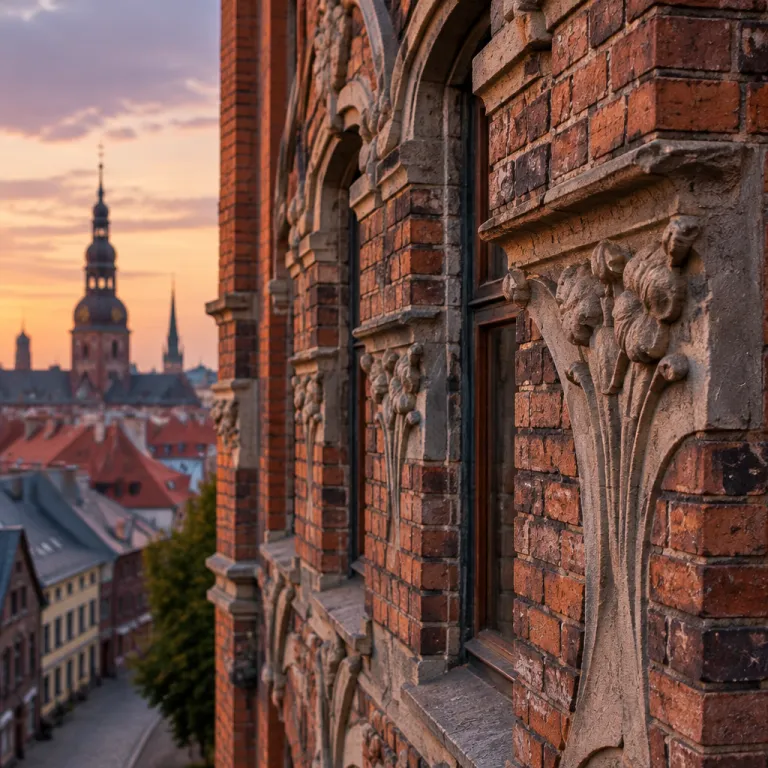
Old Riga beyond the postcards: quiet streets, hidden courtyards, secret towers
To understand what to do in Riga when you seek depth, start in the Old Town at first light. The historic core of the city feels almost like a small medieval town at that hour, and you can take your time to notice details that hurried visitors miss. Mornings on weekdays are widely considered the best time to visit because the streets are calm and the light is soft.
Walk slowly through the cobbled street network around Rātslaukums and look for narrow passages leading into inner courtyards of old merchants’ houses. In this part of Riga town, you will find quiet places where laundry hangs above your head and the only sound is a distant church bell from a nearby church Riga residents still use daily. These small, lived in corners are some of the nicest things Riga offers to travelers who prefer atmosphere over checklists.
Climb the tower of St Peter Church early, when the queue is short and the city still feels half asleep. From the top, you see the Daugava River curving around the historic center, the Academy of Sciences rising in the distance, and the green parks that frame the city center on every side. This elevated view helps you plan which places to visit later in the day, from the riverside warehouses to the markets and the less visited churches.
When you step back down from St Peter Church, turn away from the main square and follow any side street that looks quiet. You will quickly find small artisan workshops, modest cafés that locals actually use, and fragments of medieval walls that many visitors never notice during a rushed tour Riga itinerary. These are ideal places to pause, watch daily life in Latvia unfold, and decide which things to do in Riga deserve more of your time.
For travelers who enjoy context, guided free walking options in the Old Town can be valuable, especially those that focus on lesser known stories rather than only the big monuments. A carefully chosen walking tour often includes hidden courtyards, small museums, and viewpoints that independent travel might miss in a short stay of only two or three days Riga. If you prefer to explore alone, use a good offline map and mark every quiet place you find, then return at a different time of day to feel how the atmosphere changes.
Art nouveau avenues and nouveau architecture far from the crowds
Anyone asking what to do in Riga beyond the Old Town should devote at least half a day to the Art Nouveau district. Riga is one of the great Art Nouveau capitals of the Baltic countries, with around 800 structures in this style spread across the wider city. The most famous façades cluster around Alberta iela, but the most rewarding experiences often lie a few streets away.
Start with a short walking tour along Alberta iela and Elizabetes iela to understand the classic Art Nouveau vocabulary. Here you will find sculpted faces, floral motifs, and elaborate balconies that define the nouveau architecture of Riga central, and architecture lovers can spend a long time studying each façade. “Is Art Nouveau district walkable? Yes; Alberta iela provides compact route through finest façades” — this practical advice from local tourism information remains accurate for first time visitors.
Once you have seen the famous buildings, turn toward quieter residential streets such as Strelnieku iela and Vīlandes iela. In these parts of the city center, Art Nouveau houses feel more like lived in homes than museum pieces, and you can better sense how Riga town grew during its prosperous trading era. Take your time to notice door handles, staircases, and courtyard gates, because these small things Riga offers reveal as much history as the grand façades.
Architecture focused travelers often ask how many days Riga should be planned for if they want to explore both central and outlying districts. Two full days in Riga city usually allow time for the Old Town, the main Art Nouveau avenues, and at least one lesser known quarter with early modern housing blocks. If you have a third day, you can visit more peripheral places where nouveau architecture blends with later styles, giving a fuller picture of urban development in Latvia.
For those who enjoy structured learning, consider a themed walking tour dedicated to Art Nouveau and urban history rather than a general tour Riga overview. Some guides include visits to stairwells and inner courtyards that are normally closed, which can be a fun way to see how decorative art and daily life intersect. Curious cultural travelers who liked in depth explorations in other historic cities, such as the essential experiences for curious cultural travelers in San Juan, usually appreciate this slower, more detailed approach to Riga as well.
Markets, riverfronts, and the everyday life of Riga
When you consider what to do in Riga that feels genuinely local, the markets and riverfront should be at the top of your list. The Central Market, housed in former Zeppelin hangars, is one of the most atmospheric places in the city and a key part of daily life in Latvia. Here you can find seasonal produce, smoked fish, pickles, and baked goods that make excellent snacks for a long day of urban exploration.
Inside Riga Central Market, move beyond the obvious souvenir stalls and focus on the food halls where residents actually shop. These are some of the best places to observe how people in Riga town cook, eat, and socialize, especially during the busy hours before lunchtime. If you are looking for places to eat simple, honest dishes, ask vendors where they go themselves rather than relying only on online reviews.
From the market, it is a short walk to the Daugava River embankment, where the city opens toward the water. The riverfront is not as polished as in some other Baltic countries, but that is precisely what makes it interesting for travelers who prefer authenticity over spectacle. You can spend a quiet day watching boats, crossing bridges, and exploring the industrial edges that show another side of Riga.
During the warmer summer months, small river cruises operate along the Daugava River, offering a different angle on the skyline and the church towers. These short trips are a nice way to rest your feet after a long walking tour and to see how the city relates to its river, which has shaped trade and travel here for centuries. Evening departures can be especially fun, when the light softens and the reflections of church Riga silhouettes shimmer on the water.
Travelers who enjoy off the beaten path food experiences might combine the market with nearby residential streets where modest cafés and canteens serve daily specials. These are not glamorous places to eat, but they are often the best places to taste local dishes at fair prices and to share a table with residents. If you appreciate this kind of grounded cultural immersion, you may also enjoy reading about other quietly compelling destinations such as the rare cultural things to see in San Juan, which follow a similar philosophy of slow, attentive travel.
Alternative viewpoints: Academy of Sciences, observation wheel, and riverside walks
One of the most rewarding things to do in Riga is to see the city from above, and not only from the usual church towers. The Latvian Academy of Sciences, a classic example of Soviet era high rise architecture, offers an open air viewing platform with sweeping views of Riga central and the Daugava River. From here you can clearly see how the Old Town, the market, and the newer districts fit together.
The Academy of Sciences viewpoint is especially valuable for travelers interested in the layered history of the city. You can trace the line of the river, pick out the spires of each church Riga is known for, and notice the spread of Art Nouveau and later housing blocks toward the suburbs. This bird’s eye perspective helps you decide which places to visit next and how to structure your remaining days Riga for maximum variety.
Another modern vantage point is the observation wheel on the riverfront, which rises to 65 meters and adds a contemporary note to the skyline. While it attracts families and couples looking for a fun experience, it also gives photographers a chance to capture the city center from a different angle, especially around sunset. Combining the wheel with a slow walk along the riverbank makes for a relaxed evening that balances sightseeing with simple enjoyment of place.
For walkers, one of the nicest things Riga offers is the network of riverside and canal side paths that loop around the historic core. These green corridors are ideal for a free walking exploration without a fixed route, allowing you to drift between parks, bridges, and quiet residential streets. Along the way, you will often find small monuments, outdoor art, and unexpected viewpoints that rarely appear in standard tour Riga brochures.
Travelers who enjoy off the beaten path landscapes in other parts of Europe, such as the hill towns and river valleys described in this guide to inland Istria’s quiet hill towns, usually appreciate Riga’s understated waterfront as well. The Daugava River may not have dramatic cliffs, but its wide, working character tells a clear story about trade, resilience, and daily life in Latvia. Give yourself time to sit on a bench, watch the water, and let the rhythm of the city settle around you.
Historic symbols and quiet churches: Freedom Monument, hidden sanctuaries, and local faith
Any thoughtful list of what to do in Riga should include time at the Freedom Monument, not only for photos but for reflection. This 42.7 meter column, topped by a female figure holding three stars, is one of the most important symbols in Latvia and a focal point of national memory. Standing here, you are at a place where public ceremonies, protests, and quiet acts of remembrance have unfolded across generations.
Spend a few minutes watching how residents interact with the monument during an ordinary day. You will see people laying flowers, meeting friends, or simply crossing the square on their way to work in the city center, and this everyday use keeps the site alive rather than frozen in the past. From here, it is easy to walk toward several churches that reveal different layers of spiritual life in Riga town.
St Peter Church is the most famous, but smaller sanctuaries often provide more intimate experiences for visitors who value silence and space. Look for less visited church Riga interiors in side streets, where you might find wooden pews polished by centuries of use and icons lit only by candles. These places are especially atmospheric during the darker months, when the contrast between the cold street and the warm interior feels almost theatrical.
For travelers interested in cultural history, guided walking tours that focus on religious architecture can be among the best things Riga offers. Such a walking tour might connect Lutheran, Catholic, and Orthodox churches, explaining how each community shaped the city’s development and how faith intersected with politics. This kind of thematic tour Riga experience suits visitors who want more than surface level sightseeing and who are willing to invest time in listening and asking questions.
When planning your visit Riga itinerary around these historic landmarks, remember that many churches still function as active places of worship. Dress respectfully, avoid loud conversations, and check whether photography is allowed before taking pictures, especially during services. Treating these spaces with care not only shows respect for local customs but also deepens your own sense of connection to the city and its people.
Seasonal rhythms, day trips, and planning your time in Riga
Understanding the seasonal rhythm of the city is essential when deciding what to do in Riga and how long to stay. The summer months bring long daylight hours, outdoor events, and a lively café culture, making it easier to fit many things into a single day. In colder seasons, the pace slows, but the atmosphere in markets, churches, and museums becomes more introspective and arguably more authentic.
For most travelers, two or three days Riga provide a good balance between major sights and quieter neighborhoods. With this amount of time, you can explore the Old Town, the Art Nouveau district, the Central Market, and at least one alternative viewpoint such as the Academy of Sciences or the observation wheel. If you have a fourth day, consider a short day trip by train or bus to the coast or to a forest park, which shows another side of Latvia beyond the city.
When planning your visit Riga schedule, think in terms of themes rather than a long checklist of individual places. One day might focus on history and faith, with churches, the Freedom Monument, and small museums, while another day emphasizes food, markets, and the Daugava River. This approach keeps your travel experience coherent and allows you to notice connections between different things Riga presents to attentive visitors.
Practical tools such as the Riga Card, public transport, and reliable map apps make it easy to move between districts without wasting time. Many central areas are compact enough for free walking exploration, especially around the city center and the riverside parks, so you can often skip vehicles entirely. Using public transport also gives you a glimpse of daily life in Riga town, from schoolchildren with backpacks to elderly residents carrying market bags.
Finally, remember that the best places to eat and relax are not always the most obvious ones. Ask local guides, market vendors, or café staff where they like to spend their own free time, and you will often find small, nice spots that never appear in mainstream lists of things to do in Riga. This willingness to follow local advice, combined with a flexible plan, is what turns a simple city break into a genuinely memorable journey through one of the most intriguing capitals in the Baltic countries.
Key figures and practical statistics for planning your Riga stay
- Riga has around 800 Art Nouveau buildings, one of the highest concentrations in Europe according to the Latvia tourism board, which makes the city a major destination for architecture enthusiasts.
- The Freedom Monument stands 42.7 meters tall, as reported by LiveRiga, and its height makes it a visible reference point when navigating between the Old Town and the surrounding city center districts.
- The riverside observation wheel reaches 65 meters in height, based on LiveRiga data, offering a modern counterpart to historic church towers and providing panoramic views over the Daugava River and Riga central.
- Most visitors can comfortably experience the main cultural and historic highlights of Riga in two to three days, a timeframe echoed by local tourism information that balances depth with realistic travel schedules.
- Guided Art Nouveau walking tours typically focus on a compact area around Alberta iela, where several of the finest façades stand within a few hundred meters, making it easy to explore on foot in a single morning or afternoon.
Frequently asked questions about what to do in Riga
What is the best time of day to visit Riga’s Old Town ?
The most pleasant time to visit Riga’s Old Town is usually weekday mornings, when tour groups are fewer and the streets feel calm. Early hours allow you to enjoy key sites such as St Peter Church and the main squares without heavy crowds. This timing also gives you flexibility to spend the afternoon in other districts like the Art Nouveau quarter or the riverfront.
How many days do I need in Riga for a cultural trip ?
Plan for at least two full days in Riga if your focus is culture, architecture, and local life. With this duration, you can explore the Old Town, the Art Nouveau district, the Central Market, and one or two viewpoints such as the Academy of Sciences or the observation wheel. A third day allows for slower walks along the Daugava River and time in smaller museums or residential neighborhoods.
Is the Art Nouveau district in Riga easy to explore on foot ?
Yes, the main Art Nouveau district in Riga is compact and very walkable. Streets like Alberta iela and Elizabetes iela concentrate many of the finest façades, so you can see a large number of buildings within a short walking tour. Comfortable shoes and a bit of extra time to wander side streets will help you appreciate both famous and lesser known examples of nouveau architecture.
What are the most authentic places to experience local food in Riga ?
For an authentic food experience, start at the Central Market, where residents shop for fresh produce, smoked fish, and baked goods. Inside and around the market, you will find simple eateries and canteens that serve traditional dishes at fair prices. Asking vendors and local guides for their own favorite places to eat often leads to small, characterful spots away from the main tourist streets.
Are guided walking tours in Riga worth the time for off the beaten path travelers ?
Specialized guided walking tours in Riga can be very worthwhile for travelers who seek off the beaten path experiences. Themed tours focused on Art Nouveau, religious history, or everyday life often include hidden courtyards, lesser known churches, and local anecdotes that independent visitors might miss. Choosing a guide who emphasizes small details and neighborhood stories will add depth to your understanding of the city.