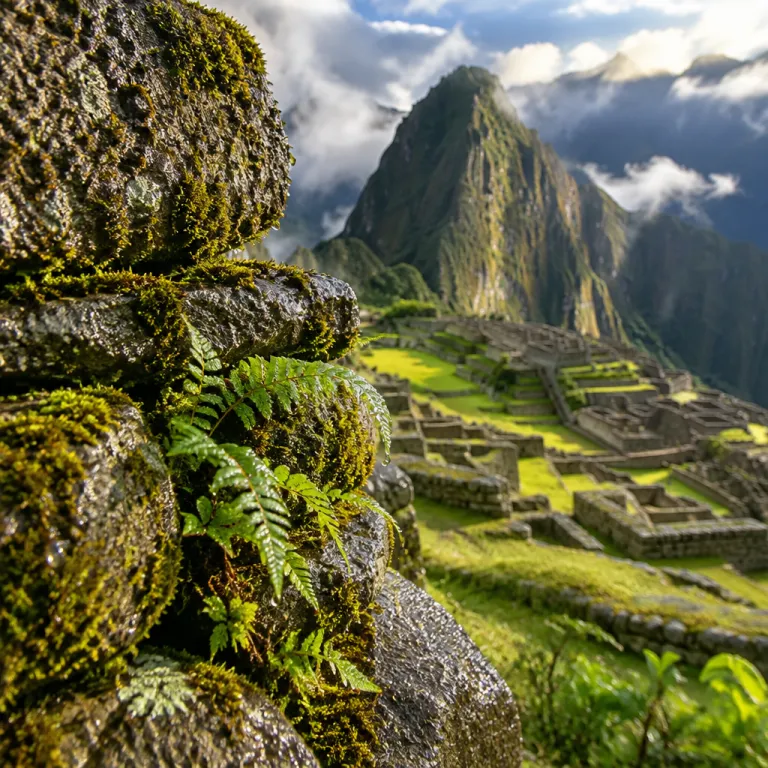
Is Machu Picchu closing or simply changing how you visit?
On a misty June morning, queues outside Aguas Calientes can make it feel as if the gates might shut at any moment, and rumours about “is Machu Picchu closing” surge every peak season. The reality on the ground in Peru is more nuanced, because the citadel and surrounding Inca sites are managed through rotating restrictions rather than a single dramatic shutdown. For off the beaten path travellers, understanding how each circuit and trail operates will shape a calmer, more informed experience.
Peru’s Ministry of Culture and the protected area authority SERNANP use temporary route closures and strict entry caps to keep the sanctuary open while protecting fragile Inca stonework. Official resolutions published by the Ministry of Culture and SERNANP confirm that Machu Picchu continues to operate daily, with only specific routes paused for safety, maintenance, or conservation work. When you plan to visit Machu Picchu, you are navigating a living archaeological landscape, not a static monument, so flexibility is essential.
The core citadel of Machu Picchu remains open under a standard daily visitor cap of about 4 500 people, rising to roughly 5 600 in high season under tighter controls, as reported in recent capacity updates by Peru’s cultural authorities and UNESCO Peru. These numbers explain why tickets for each circuit Machu option, from the lower terraces to the upper viewpoints, reach high demand months in advance. If you want a quieter Machu Picchu experience, aim for a shoulder season day and choose lesser known Machu Picchu circuits that avoid the busiest central plazas.
How the new circuits and timed entry really work
The biggest shift behind questions like “is Machu Picchu closing” is not a gate being locked, but the move to defined circuits and timed entry slots. Instead of wandering freely through the citadel, every visitor now follows a pre assigned Machu Picchu circuit with a specific start time and direction of flow. This system reduces crowding on narrow Inca stairways and protects the most weathered stonework.
There are several official routes through the site, and each circuit offers a different balance of views, gradients, and time inside Machu Picchu. Some circuits focus on the classic postcard panorama with Huayna Picchu in the background, while others emphasise agricultural terraces or lesser visited quarters of the Inca city. Because each circuit Machu option has its own quota, Machu Picchu circuits that include Huayna Picchu or the steep Machu Picchu Mountain extension sell out first in high season.
Peru’s Ministry of Culture manages these circuits with digital tickets that specify your entry hour, route, and any add ons such as the Huayna Picchu climb. For a smoother day tour, avoid the last entry window, when weather shifts and fatigue can make the trail feel more crowded. Remote workers planning a longer stay in the Sacred Valley can even pair an early morning Machu Picchu circuit with a slow travel working stay in the countryside, similar in spirit to a seasonal working stay during harvest time.
Seasonal patterns, high demand, and the myth of permanent closing
Questions about whether Machu Picchu will shut entirely tend to spike every high season, when images of queues in Aguas Calientes and Cusco circulate online. The phrase “Machu Picchu closing” usually refers to short term restrictions on a specific trail or circuit, not the whole site. For travellers who prefer off the beaten path destinations, understanding these seasonal rhythms is the key to a calmer visit.
During the driest months, the Inca Trail and the main Machu Picchu entry circuits operate at or near their visitor caps, and high demand for tickets can create the impression that the citadel is inaccessible. In reality, the site remains open, but the most coveted routes such as Huayna Picchu and the classic Inca Trail require reservations many months ahead. Shoulder periods, especially just after the busiest weeks, often offer clearer paths, softer light, and more space to appreciate the surrounding Sacred Valley.
Wet season brings its own trade offs, with more frequent temporary closures for maintenance or weather damage on exposed routes and on the Inca Trail approaches. This is when rumours about whether Machu Picchu will close permanently tend to resurface, even though official guidance confirms that the core site remains open. Patient travellers who time their visit Machu plans for these quieter windows are often rewarded in the same way that September rewards those who wait out summer crowds, as explored in this perspective on why patient travellers gain the best experiences after peak season.
Off the beaten path approaches from Cusco and the Sacred Valley
For travellers drawn to off the beaten path destinations, the question is less “is Machu Picchu closing” and more “how can I reach the site in a quieter, more sustainable way”. Cusco remains the main hub, but the surrounding Sacred Valley offers alternative bases that soften the impact of high season crowds. Staying in smaller villages along the valley allows you to reach the citadel on an early train while enjoying calmer evenings away from Aguas Calientes.
From Cusco, many visitors rush straight to a day tour of Machu Picchu, but slower itineraries weave in lesser known Inca sites such as Moray, Chinchero, and Pisac before the main citadel. These routes help you acclimatise to altitude while spreading your tourism footprint beyond a single site. They also give you more flexibility to adjust if a specific trail or circuit Machu option faces a short term closing for maintenance.
Travellers who enjoy rail journeys can treat the approach to Machu Picchu as part of the experience, not just a transfer. Combining an overnight in the Sacred Valley with a dawn train to Aguas Calientes echoes the spirit of long distance sleeper routes that turn travel time into part of the journey, such as the new night train from Brussels to Milan described in this feature on a cross border European sleeper experience. The same mindset applies in Peru; let the approach routes, not only the citadel, shape your memory of the trip.
Huayna Picchu, Picchu Mountain, and managing risk on steep trails
When travellers ask “is Machu Picchu closing”, they often mean the steep add on climbs such as Huayna Picchu and Machu Picchu Mountain, which are more vulnerable to weather and erosion. These side routes sit above the main citadel and involve narrow stairways, exposure, and significant elevation gain. Because of this, they are the first to face temporary closing when conditions deteriorate.
Huayna Picchu, the iconic peak behind the classic Machu Picchu view, has very limited tickets per day and strict entry windows, and its trail can feel intense even for fit hikers. Machu Picchu Mountain, sometimes called Montaña Machu Picchu, offers broader views and a slightly less vertiginous path, but it is longer and still demanding. Both routes are managed as separate Machu Picchu tour options, and each Machu Picchu circuit that includes them has its own quota and safety assessment.
For off the beaten path enthusiasts, these climbs can be a highlight, but they are not essential for a meaningful Machu Picchu experience. If Huayna Picchu or Machu Picchu Mountain closes temporarily, focus instead on quieter terraces, alternative circuits, or lesser known Inca sites in the Sacred Valley. The key is to treat any Machu Picchu closing of a specific trail as part of a dynamic conservation strategy rather than a ruined trip, and to remember that the core site remains open even when individual routes pause.
Practical planning: tickets, caps, and what remains open
To navigate the recurring question “is Machu Picchu closing”, you need to understand how tickets, caps, and daily operations work in practice. Peru’s Ministry of Culture sells timed entry tickets that specify your circuit, any add on such as Huayna Picchu, and your permitted time window inside the citadel. Because high demand concentrates on a few morning slots and the classic Inca Trail, flexible travellers can often secure less popular circuits even when headline routes appear sold out.
The standard daily cap of about 4 500 visitors, rising to around 5 600 in high season, is applied across all circuits to keep the site manageable. This means that even when one trail or circuit Machu option closes for maintenance, other routes remain open and continue to operate under their own quotas. Recent communiqués from Peru’s Ministry of Culture and SERNANP outline this approach, explaining that capacity adjustments and partial closures are designed to protect the sanctuary while keeping it accessible.
For the most reliable information, check the official portal of Peru’s Ministry of Culture shortly before your visit Machu dates, and monitor any notices about specific routes or the Inca Trail. Booking tickets well in advance, especially for Huayna Picchu or a combined Machu Picchu circuit, is essential in high season, while shoulder periods offer more room for spontaneous day tour plans. With this approach, you can treat the evolving management of Machu Picchu not as a threat of permanent closing, but as a framework that keeps the site accessible for future travellers seeking authentic, off the beaten path experiences.
Key statistics about Machu Picchu access and management
- Standard daily visitor capacity for Machu Picchu is set at about 4 500 people per day, a figure reported by UNESCO Peru and reflected in capacity resolutions issued by Peru’s Ministry of Culture to balance access with conservation of the Inca citadel.
- During peak high season, Peru’s cultural authorities allow up to roughly 5 600 visitors per day under stricter controls, which helps meet high demand while keeping circuits and trails regulated through timed entry and defined routes.
- Management agencies have increased the use of partial route closures and temporary trail shutdowns in recent years, leading to more frequent short term Machu Picchu closing events on specific routes rather than any permanent site wide closing.
- Official guidance from Peru’s Ministry of Culture and SERNANP confirms that Machu Picchu remains open daily, with only some trails such as sections of the Inca Trail or steep routes like Huayna Picchu closing temporarily for maintenance or weather related safety.
FAQ about Machu Picchu closing and seasonal access
Is Machu Picchu permanently closing to visitors?
No, Machu Picchu is not permanently closing to visitors, and the core citadel remains open under a managed visitor cap. Authorities use temporary closures of specific routes and circuits to protect fragile areas and respond to weather or maintenance needs. Planning ahead with flexible dates and circuit choices is the best way to adapt to these short term changes.
Are the Inca Trail and other approach routes often closed?
Sections of the Inca Trail and other approach routes can close temporarily for maintenance, conservation work, or weather related safety concerns. These closures are usually announced in advance and do not mean that the main Machu Picchu site is closed. Travellers can still reach the citadel by train from Cusco or the Sacred Valley even when some trails are unavailable.
How does high season affect tickets and access?
High season brings higher daily visitor caps but also much stronger competition for tickets, especially for popular circuits and Huayna Picchu climbs. Many morning entry slots and classic Inca Trail permits sell out months ahead, so early booking is essential. Travellers who choose shoulder season dates often find more availability and a calmer experience on the circuits.
What should I do if my chosen circuit or trail closes?
If your preferred circuit Machu option or a specific trail closes, contact your tour operator or check the official Ministry of Culture portal for alternatives. Often, you can switch to another circuit that remains open on the same day or adjust your itinerary by a day or two. Building some flexibility into your schedule helps you adapt without losing the chance to visit Machu Picchu.
Where can I find reliable updates about Machu Picchu status?
The most reliable updates come from the official channels of Peru’s Ministry of Culture and the protected area authority SERNANP, which publish notices about any Machu Picchu closing events, capacity changes, or new regulations. Reputable local operators in Cusco and the Sacred Valley also relay these updates quickly to travellers. Always verify social media rumours against these official sources before changing your plans.