Why ecotourism in South America belongs on your wildlife trekking map
Ecotourism in South America has matured into a sophisticated way to travel that balances wild beauty with responsibility. Across this vast land, national policies, protected parks and local communities are learning to align tourism with conservation efforts rather than compete with them. For travellers seeking off-the-beaten-path wildlife trekking, this region of Latin America now offers some of the most rewarding eco friendly journeys on earth.
Industry analysts such as Grand View Research estimate that the wider Latin America ecotourism market generated roughly USD 28–29 billion in revenue in 2023, with South America accounting for close to half of that value. While exact figures vary by report and methodology, most recent market studies published between 2022 and 2024 agree that nature-based travel now represents a multi-billion-dollar segment. That scale matters, because it funds national park management, supports local guides and helps protect fragile natural resources such as cloud forests, páramo wetlands and marine reserves. As coastal marine ecotourism expanded and community based initiatives rose, carbon neutral certification initiatives also started growing, reshaping how tourism south of the equator is planned and monitored.
What makes ecotourism in South America distinctive is the combination of biodiversity, indigenous cultures and ambitious conservation efforts. As one expert summary from Grand View Research notes, “What makes an ecotourism destination in South America unique? High biodiversity, endemic species, indigenous cultures.” From the Galápagos Islands of Ecuador to the high desert around San Pedro de Atacama in Chile, responsible tourism models now invite visitors into remote communities while limiting impact on wildlife. When you plan each tour and choose where to stay, you directly influence whether tourism in South America accelerates deforestation or instead reinforces protection of national parks and community lands.
Off the beaten track in Ecuador and the Galápagos Islands
Ecuador sits at the heart of ecotourism in South America, yet many travellers only skim its famous highlights. Move beyond the classic Galápagos Islands cruise, and you find remote highland communities, lesser known national parks and community based reserves that welcome small groups for several days. These quieter corners of Ecuador show how South America ecotourism can support both conservation efforts and cultural resilience.
In the Andean north, a carefully designed tour in Ecuador might combine a day on little used páramo trails in Cayambe Coca National Park with homestays in Kichwa speaking villages. Local communities here manage eco friendly guesthouses, guide services and craft cooperatives that turn tourism south of Quito into a tool for protecting water sources and fragile grasslands. As one Kichwa guide in the region explains, “When visitors walk our trails with us, they help us keep the springs clean and the stories of this landscape alive.” When you travel with certified local guides, your park fees and tour payments help fund monitoring of natural resources and education programmes for young residents.
The Galápagos remain a cornerstone of ecotourism in South America, but the most responsible tourism experiences now focus on land based stays in locally owned lodges. Spending several days on islands such as San Cristóbal or Isabela allows more meaningful contact with local communities and reduces pressure from large cruise ships. For travellers fascinated by rare species and remote habitats, this approach mirrors the philosophy behind other unique wildlife destinations for rare animal encounters around the world, where small group tours and strict visitor limits protect both animals and people. A practical example is the network of Galápagos lodges that follow the Galápagos National Park visitor quotas and work with Rainforest Alliance–certified operators, combining capped daily visitor numbers with mandatory local guiding to keep tourism within ecological limits.
Chile’s hidden wildlife trails from Atacama to Patagonia
Chile stretches along the western edge of South America, offering an extraordinary variety of eco travel experiences in a single narrow country. Away from the famous viewpoints in Torres del Paine National Park, you can spend several days following puma tracking routes with local guides who grew up on nearby estancias. These off the radar trails illustrate how responsible tourism in Chile can turn former hunting grounds into sanctuaries for wildlife and new income sources for ranching families.
In the north, the oasis town of San Pedro de Atacama has become a base for astronomy and desert landscapes, yet the surrounding land still hides quiet wildlife trekking routes. Choosing eco friendly operators who limit group sizes and respect community rules ensures that each tour supports local communities rather than overwhelming them. When planning your Chile days in this region, ask about community based projects that restore wetlands for flamingos and protect vicuña grazing areas, as these initiatives depend heavily on responsible tourism revenue.
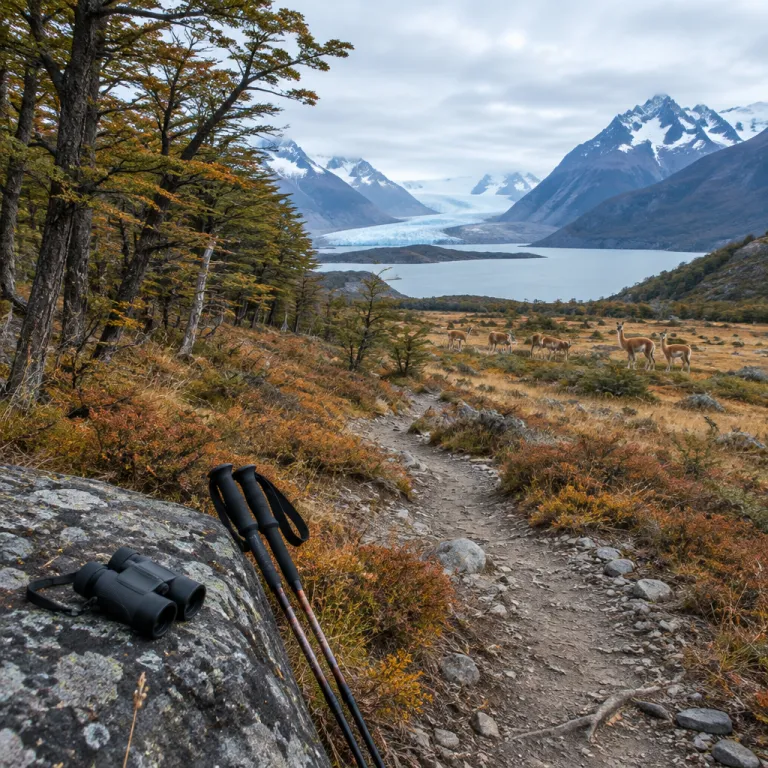
Farther south, the Aysén region and lesser known national parks such as Cerro Castillo offer some of the most rewarding ecotourism in South America for hikers who prefer solitude. Trails here cross private conservation land, new national parks and community reserves that together form wildlife corridors for huemul deer and condors. For travellers who have already explored more classic wildlife hotspots such as Manuel Antonio in Costa Rica, resources like this guide to wildlife encounters beyond the main trails provide useful frameworks for asking the right questions about impact, group size and guide training in Chile as well. A concrete case is the Tompkins Conservation–backed park network in Patagonia, where former ranches have been rewilded and visitor numbers are managed through designated campsites, seasonal trail closures and mandatory registration, helping to balance growing interest with habitat protection.
Amazon basin and Andean cloud forests: choosing truly responsible tours
The Amazon basin remains one of the most coveted regions for ecotourism in South America, yet it is also among the most vulnerable. Deforestation, illegal mining and poorly regulated tourism south of major cities threaten both wildlife and local communities who depend on intact forests. Choosing a responsible tour in this region means looking beyond marketing language and asking how each operator engages with indigenous land rights, conservation efforts and long term monitoring of natural resources.
Protected area authorities and local indigenous communities are the primary stewards of many Amazonian national parks and reserves. When you book a multi day journey with an operator that is co owned by these communities, your travel supports community based schools, healthcare and forest patrols rather than external shareholders. Small group tours that use eco friendly transport, limit plastic waste and employ local guides with deep cultural knowledge are central to high quality ecotourism in South America’s rainforest belt. Community-run lodges in Ecuador’s Yasuní region and Peru’s Madre de Dios, for example, typically cap groups at around eight to ten guests and channel a defined share of profits into village assemblies, which decide how to invest tourism income in education, clean water systems or forest monitoring.
Andean cloud forests in countries such as Ecuador, Peru and Colombia offer an alternative for travellers seeking cooler climates and exceptional birdlife. Here, the best time to plan a tour is often during the transition between rainy and dry seasons, when trails remain passable yet wildlife is active near fruiting trees. When you evaluate each national park or private reserve, ask about visitor limits per day, how park fees are reinvested and whether local communities have a formal role in governance, as these details reveal the true depth of responsible tourism practices.
Working with local communities and guides across Latin America
At the heart of ecotourism in South America lies a simple principle, which is that local communities must benefit directly from every tour that crosses their land. Community based tourism models now operate from the high Andes of Ecuador to coastal villages in Brazil and remote valleys in Chile. These initiatives treat local indigenous communities as partners and hosts rather than as background scenery for outside tour companies.
When you plan several days in a remote area, prioritise operators that employ local guides in leadership roles and share transparent revenue figures with community councils. This approach to responsible tourism strengthens cultural continuity, supports language preservation and encourages younger residents to see conservation as a viable livelihood. In many parts of Latin America, such as the Amazon and the Chocó, these models have already slowed deforestation by making intact forests more valuable than cleared land for short term agriculture.
Government agencies, NGOs and ecotour operators increasingly collaborate to align national park regulations with community based tourism goals. Environmental certification schemes, visitor caps per day and education programmes for both travellers and residents are now common tools in leading destinations for ecotourism in South America. As a visitor, you reinforce these positive trends when you ask detailed questions about how your travel fees support conservation efforts, how many local people are employed and whether women and youth have meaningful roles in tourism south of major urban centres. Well-known standards such as Rainforest Alliance and EarthCheck, along with national quality labels in countries like Chile and Brazil, provide additional reference points for assessing whether an operator’s social and environmental claims are backed by independent audits.
Planning your days: best time, routes and practical ethics
Thoughtful planning is essential if you want your ecotourism in South America to be both rewarding and genuinely responsible. The best time to visit each region varies sharply, because the continent spans equatorial rainforests, high Andean peaks and temperate fjords. Before you book any tour, match your preferred wildlife encounters with seasonal patterns, trail conditions and local festivals that shape community life.
In the Amazon, the higher water months allow canoe based wildlife viewing, while lower water months open more land trails for multi day treks. In the Andes, the drier season usually offers clearer views and safer passes, but shoulder seasons can provide quieter routes and more intimate contact with local communities. Coastal and marine parks, including the Galápagos Islands and parts of Chile’s Pacific shore, often have distinct wildlife cycles, so the best time for one species may not align with another, requiring careful choices about which experiences matter most to you.
Ethical practice during each day of travel matters as much as your choice of destination. Stay on marked trails in every national park, keep respectful distances from wildlife and follow local guides’ instructions about photography, noise and cultural protocols. For travellers who enjoy planning complex itineraries that link remote regions, resources such as this guide to off the radar trail adventures can inspire similar slow travel strategies in South America, where fewer flights and longer stays reduce your footprint while deepening your understanding.
From Costa Rica to South America: lessons from a regional ecotourism leader
Costa Rica often appears first in conversations about responsible tourism, and its experience offers useful lessons for ecotourism in South America. Decades of investment in national parks, payment for ecosystem services and environmental education have turned this small Central American country into a global reference point. Travellers who have explored its rainforests and beaches can apply similar expectations when evaluating tours in Ecuador, Chile, Peru or Colombia.
One key lesson from Costa Rica is the importance of clear zoning between strict conservation areas, sustainable use zones and community lands. South American countries are now expanding their own networks of national parks and private reserves, creating corridors that link highland forests, lowland jungles and coastal wetlands. When you choose operators that respect these zones and coordinate with protected area authorities, your travel supports a continental vision of Latin America ecotourism that prioritises long term resilience over short term gains.
Another transferable insight is the value of transparent data about visitor numbers, park revenue and conservation outcomes. As the South America ecotourism market continues to grow, travellers can encourage better reporting by asking for concrete figures on how many visitors each park receives per day and how much of each tour fee returns to local communities. Over time, such questions help align tourism south of the equator with the original goals of ecotourism, which are to conserve biodiversity, support local livelihoods and promote sustainable behaviour among both hosts and guests.
Key statistics on ecotourism in South America
- Recent market research indicates that the Latin America ecotourism segment generated around USD 28–29 billion in revenue in 2023, highlighting the economic weight of nature focused travel in the region.
- Forecasts published by firms such as Grand View Research suggest that Latin America could approach USD 80 billion in annual ecotourism revenue by 2030, showing strong growth potential for responsible tourism models.
- Analysts including Cognitive Market Research estimate that South America alone accounts for a substantial share of this market, underlining the specific importance of this sub region within the wider Latin American context.
- Market analyses consistently identify Brazil as having one of the highest forecast growth rates for ecotourism between 2024 and 2030, reflecting its vast natural resources and expanding network of protected areas.
- Community based and coastal marine ecotourism segments are among the fastest growing niches in South America, driven by traveller demand for immersive experiences and by local conservation efforts.
Frequently asked questions about ecotourism in South America
What makes ecotourism destinations in South America different from other regions ?
Ecotourism in South America stands out because it combines some of the planet’s richest biodiversity with a dense mosaic of indigenous cultures and rapidly expanding protected area networks. Travellers can move from Andean peaks to Amazonian lowlands and Pacific islands within a single itinerary, encountering endemic species and distinct cultural traditions in each zone. This diversity, paired with growing community based tourism models, creates unusually deep opportunities for both wildlife trekking and cultural exchange.
Which countries currently lead ecotourism development in South America ?
Brazil, Peru, Colombia and Ecuador are widely recognised as leaders in ecotourism in South America, thanks to their extensive national parks and strong community participation. Ecuador’s Galápagos Islands and Amazon lodges, Peru’s Manu and Tambopata reserves, Colombia’s Sierra Nevada and Brazil’s Pantanal all serve as flagship examples. Chile and Argentina are also gaining prominence, particularly in Patagonia and the Atacama, where new parks and private reserves are reshaping the conservation landscape.
What are the main threats to ecotourism in South America’s wild areas ?
The most serious threats include deforestation, poorly regulated infrastructure projects, over tourism in iconic sites and weak enforcement of environmental laws. In some regions, rapid growth in visitor numbers has outpaced the capacity of national park authorities and local communities to manage waste, water use and wildlife disturbance. Climate change adds further pressure by altering rainfall patterns, increasing fire risk and shifting species distributions, which complicates long term planning for responsible tourism.
How can travellers ensure their trip supports local communities and conservation ?
Travellers can prioritise certified ecotour operators that employ local guides, share revenue transparently with communities and follow strict environmental standards. Asking how park fees are used, how many residents hold decision making roles and whether the operator supports education or monitoring programmes helps reveal genuine commitment. Choosing small group tours, staying longer in fewer places and respecting local customs during every day of travel also amplifies positive impact.
When is the best time to visit South America for wildlife focused ecotourism ?
The best time to visit depends on the specific ecosystem and species you hope to see, because seasons vary widely across the continent. In many Andean and Patagonian regions, the drier months offer safer trekking and clearer views, while Amazonian wildlife viewing can be excellent in both high and low water periods for different reasons. Researching each destination’s seasonal patterns and consulting local guides about current conditions ensures that your chosen days align with both wildlife activity and community calendars.