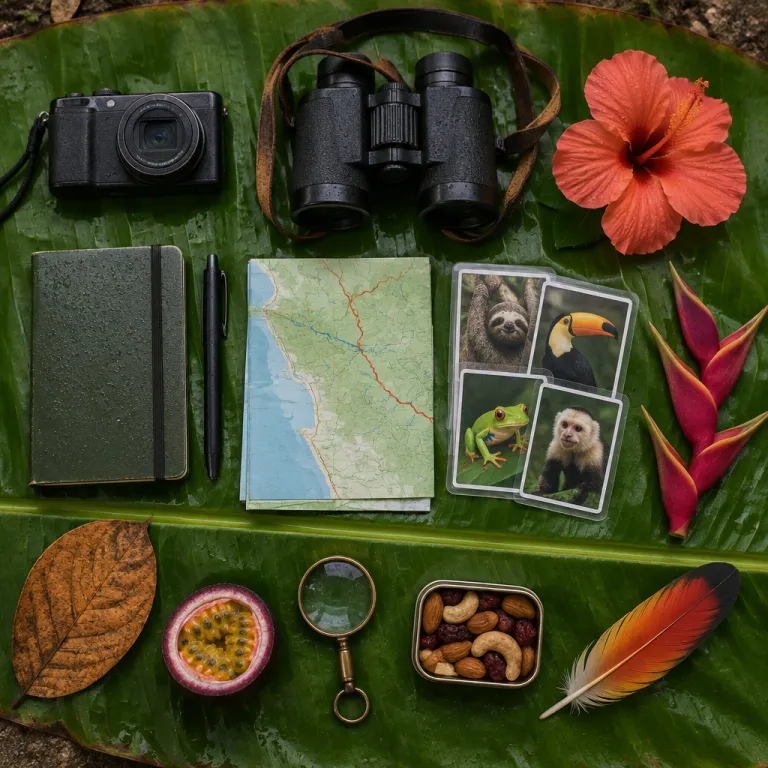
Why Manuel Antonio Costa Rica animals belong on an off the beaten path list
Manuel Antonio on Costa Rica’s central Pacific coast sits where dense rainforest meets the ocean. This compact national park concentrates wildlife in a small area, which makes sightings of animals and rare species unusually frequent. For travelers seeking off the beaten path experiences, the mix of forest, beaches, and quieter side trails inside the park offers a refined alternative to crowded safari-style tourism.
Manuel Antonio National Park is famous for monkeys and sloths, yet many visitors only walk one main trail and miss subtle wildlife behavior. A more patient approach reveals how different species use the forest canopy, mangroves, and rocky headlands at different times of day. One local guide likes to say, “If you rush, you only see tails,” a reminder that treating Manuel Antonio as a living rainforest laboratory rather than a quick photo stop turns it into one of the best coastal wildlife experiences in Costa Rica.
Staying in the Manuel Antonio area also allows you to explore lesser known corners of the Pacific coast. You can combine the national park with day trips to quieter beaches, secondary forest reserves, and even the remote Osa Peninsula for multi day wildlife immersion. This broader view of Manuel Antonio fauna turns a short park visit into a deeper journey through several ecosystems and a more complete Costa Rican wildlife circuit.
Planning your wildlife focused itinerary around Manuel Antonio National Park
Thoughtful timing shapes almost every wildlife encounter in Manuel Antonio. The best time for seeing active animals is usually early morning, when temperatures are cooler and the forest is alive with calls. Arriving at the national park gate before opening time places you among the first on the trails and away from the main crowds.
A certified naturalist guide in Manuel Antonio dramatically increases your chances of spotting well camouflaged species. Skilled guides know where three toed sloths often rest, where white faced monkeys cross canopy gaps, and which trees attract tropical birds at specific hours. Many travelers who walk inside the park without a guide later realize how many animals they passed without noticing, especially small reptiles, insects, and distant birds high in the canopy.
For readers interested in rare animal encounters beyond Costa Rica, a detailed overview of unique wildlife destinations can help you compare Manuel Antonio with other off the beaten path regions. When you return to planning your Manuel Antonio wildlife itinerary, think in terms of habitats rather than only famous species. Balance time between beachside forest, interior rainforest trails, and mangrove edges to see how Costa Rican ecosystems interconnect and support different groups of animals.
Reading the rainforest: how to spot animals beyond the obvious
Learning to read the forest transforms a simple walk into a focused wildlife search. In Manuel Antonio, animals often reveal themselves through sound before you see them, from rustling leaves to sharp bird calls. A slow pace on each trail lets you distinguish between wind in the canopy and the deliberate movement of monkeys or sloths.
Inside the park, watch for feeding signs such as half eaten fruits beneath trees, which can indicate recent visits by squirrel monkey troops. White faced monkeys often patrol the same routes along branches, so repeated soft cracking sounds above a trail may signal their approach. Three toed sloths and two toed sloths are quieter, yet a good guide will scan the upper canopy for rounded shapes hugging branches, especially near forest gaps where sunlight reaches leaves.
One guide recounts a morning when a group paused to listen instead of walking on; by following a faint chewing sound, they eventually spotted a two toed sloth feeding in full view just above the trail. For travelers who enjoy deep rainforest immersion, the experience of walking through Borneo’s interior on an edge of the map rainforest journey offers a useful comparison. Both Borneo and Costa Rica require patience, respect for the forest, and attention to small details such as tracks, droppings, and distant calls. When you return to Manuel Antonio National Park with this mindset, every section of forest becomes a potential spot for observing less obvious species rather than only headline animals.
Night trails, early mornings, and the rhythm of the forest
The rainforest around Manuel Antonio changes character dramatically between early morning and night. At first light, tropical birds begin calling from the canopy, and this is often the best time to see mixed flocks moving between fruiting trees. Many guides in Manuel Antonio recommend entering the national park as soon as possible to experience this surge of activity before temperatures rise.
Outside official opening hours, some private reserves near Manuel Antonio offer a guided night trail through secondary forest. These night walks reveal a different set of animals, from tree frogs and insects to nocturnal mammals that rarely appear by day. While you will not usually see monkeys on a night trail, you may glimpse sleeping birds, roosting bats, and occasionally a slow moving two toed sloth or three toed sloth changing position.
Balancing early morning visits with carefully planned evening activities helps you understand the full daily rhythm of Costa Rican forests. During the hottest time of day, many animals rest deep inside the forest, so this can be a good period for quiet beach time or a coastal walk. Travelers who enjoy off the beaten path hiking may appreciate how this rhythm echoes remote routes such as the quiet ridgelines and coastal paths of Southern California, where timing also shapes wildlife sightings.
Linking Manuel Antonio with the Osa Peninsula and cloud forests
Many travelers focus only on Manuel Antonio Costa Rica animals, yet the country’s compact size allows elegant multi region itineraries. Combining Manuel Antonio National Park with the Osa Peninsula creates a powerful contrast between accessible trails and remote rainforest. The Osa Peninsula holds Corcovado National Park, often described as one of the best places for observing wildlife in a largely intact ecosystem.
In Manuel Antonio you might see white faced monkeys, squirrel monkey groups, and sloths near beaches, while on the Osa Peninsula you can add scarlet macaws and larger mammals to your list. Scarlet macaws often fly in pairs along the Pacific coast, their calls carrying far across the forest. Spending time in both regions reveals how different national park management styles influence animal behavior and visitor experience.
To complete an off the beaten path circuit, consider adding a cloud forest reserve such as Monteverde or San Gerardo de Dota. Cloud forest ecosystems sit at higher elevations than Manuel Antonio, with cooler temperatures and a different set of species including resplendent quetzals and highland tropical birds. Experiencing lowland rainforest, coastal forest inside the park, and misty cloud forest in one journey offers a nuanced view of Costa Rica beyond a single famous spot.
Practical ethics for watching Manuel Antonio Costa Rica animals
Ethical behavior around wildlife in Manuel Antonio protects both animals and the quality of your experience. Feeding monkeys or sloths may seem harmless, but it changes natural behavior and can create aggressive encounters on busy trails. Responsible guides in Manuel Antonio National Park will insist on keeping food sealed and maintaining respectful distances from all species.
Staying on marked trails inside the park reduces erosion and protects sensitive forest undergrowth where many smaller animals live. When you step off a trail to approach a two toed sloth or three toed sloth, you may crush seedlings or disturb ground nesting creatures. Using binoculars and a camera with a moderate zoom allows you to observe Costa Rican wildlife closely without entering fragile areas.
Noise levels also matter, especially during early morning hours when animals feed and communicate. Speaking softly and moving slowly gives you a better chance of hearing subtle sounds that reveal hidden species. Over time, visitors who respect these guidelines help ensure that Manuel Antonio’s animals remain relatively relaxed around humans, which benefits both conservation and future travelers.
Choosing guides, routes, and seasons for an off the beaten path feel
Selecting the right guide in Manuel Antonio can turn a standard visit into a tailored off the beaten path experience. Look for a guide who limits group size, carries a quality spotting scope, and shows clear knowledge of animal behavior rather than only pointing out obvious monkeys. Guides who grew up in nearby Costa Rican communities often have deep familiarity with less visited corners of the forest.
Within Manuel Antonio National Park, ask about secondary trails that receive fewer visitors yet still pass through rich rainforest. Some routes lead to viewpoints above the Pacific coast, where you can watch tropical birds riding thermals and sometimes see scarlet macaws crossing between forest patches. Walking these quieter trails at the best time of day, usually early morning or late afternoon, often yields more intimate wildlife moments than the busiest central path.
Seasonal patterns also shape what you see, although Costa Rica offers wildlife viewing throughout the year. During drier months, animals may concentrate near remaining water sources inside the park, which can make certain spots especially productive. In wetter periods, the forest feels lusher and more atmospheric, and with proper rain gear you can still enjoy Manuel Antonio’s wildlife with fewer people on the trails.
Key figures on Manuel Antonio and Costa Rican wildlife
- Manuel Antonio National Park covers roughly 20 square kilometers, and official figures from Costa Rica’s National System of Conservation Areas (SINAC) report more than 100 mammal species and around 350 bird species in the park; this density makes it one of the most biologically rich coastal protected areas relative to its size.
- Costa Rica protects close to a quarter of its territory in national parks and reserves, according to government and tourism board summaries; this high protection rate underpins the country’s reputation for reliable wildlife viewing.
- Studies by the Costa Rican Tourism Board (ICT) indicate that more than half of international visitors cite wildlife and nature as a primary motivation for travel, which explains the strong emphasis on guided nature experiences in regions such as Manuel Antonio and the Osa Peninsula.
- Assessments referenced by the International Union for Conservation of Nature highlight that the Osa Peninsula contains a disproportionately high share of global terrestrial biodiversity relative to its small land area; pairing it with Manuel Antonio offers access to an exceptional concentration of species.
- Monitoring by conservation organizations and park authorities suggests that responsible tourism in Costa Rica contributes significantly to protected area funding, with entrance fees and guide services forming a major portion of operational budgets for areas like Manuel Antonio National Park.
FAQ about Manuel Antonio Costa Rica animals and off the beaten path travel
What is the best time of day to see animals in Manuel Antonio ?
The best time of day for wildlife viewing in Manuel Antonio is usually early morning, from park opening until mid morning. Temperatures are cooler, animals are more active, and trails are quieter. Late afternoon can also be productive, especially for monkeys and tropical birds near the forest edge.
Can I see sloths and monkeys without a guide inside the park ?
It is possible to see sloths and monkeys without a guide, especially along main trails where animals are accustomed to people. However, a trained guide greatly improves your chances of spotting well hidden species such as three toed sloths high in the canopy. Guides also help interpret behavior and ensure you follow ethical viewing practices.
How does Manuel Antonio compare with the Osa Peninsula for wildlife ?
Manuel Antonio offers easier access, shorter trails, and a high density of visible animals in a compact area. The Osa Peninsula, particularly Corcovado National Park, provides a wilder experience with longer hikes and a greater chance of encountering large mammals and scarlet macaws. Many travelers combine both regions to balance comfort with deeper rainforest immersion.
Are night trails allowed inside Manuel Antonio National Park ?
Official night trails are not offered inside Manuel Antonio National Park itself, because the park closes in the late afternoon. However, several private reserves and lodges near Manuel Antonio operate guided night walks in adjacent forest. These night trails focus on frogs, insects, reptiles, and some nocturnal mammals rather than daytime species like monkeys.
Is Manuel Antonio suitable for travelers seeking off the beaten path experiences ?
Although Manuel Antonio is one of Costa Rica’s most visited parks, it can still feel off the beaten path if you choose quieter trails, travel outside peak holiday periods, and work with a knowledgeable guide. Combining Manuel Antonio with lesser known coastal areas, the Osa Peninsula, or a cloud forest reserve creates a more adventurous itinerary. This approach lets you enjoy the park’s accessible wildlife while still exploring wilder corners of the country.